
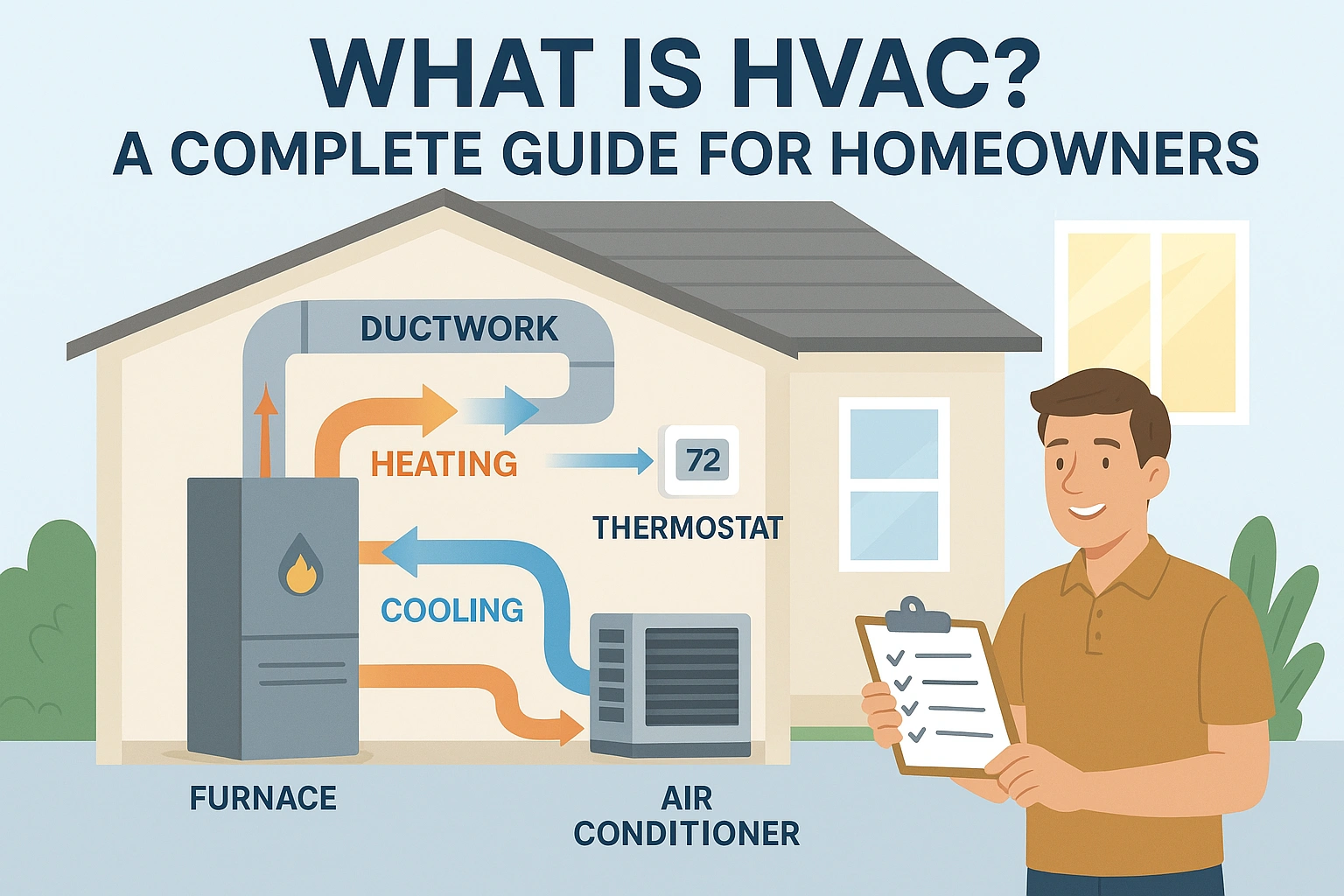

As a homeowner, understanding HVAC systems is crucial for maintaining a comfortable and healthy living environment. Heating, ventilation, and air conditioning play a vital role in regulating temperature, humidity, and air quality within your home.

This comprehensive guide is designed to walk you through the basics of HVAC and its significance for homeowners. You’ll learn about the different components of heating ventilation and air conditioning systems, how they work, and what to expect from a well-functioning system.
Understanding HVAC Basics
Understanding the basics of HVAC is crucial for homeowners who want to ensure their living spaces are comfortable and energy-efficient. HVAC stands for Heating, Ventilation, and Air Conditioning, and it’s a system designed to control the temperature, humidity, and air quality in homes.
Definition of HVAC Systems
An HVAC system is not just a single unit; it’s a complex network of components working together to provide a comfortable indoor environment. These systems are designed to maintain optimal indoor air quality by controlling temperature and humidity levels, as well as circulating and filtering the air.
The Importance of HVAC in Modern Homes
In modern homes, HVAC systems play a vital role in maintaining a healthy and comfortable living space. According to the U.S. Environmental Protection Agency (EPA), people spend about 90% of their time indoors, where air quality can be significantly worse than outdoors. A well-functioning HVAC system is essential for removing pollutants and allergens from the air, ensuring a healthier indoor environment.
How HVAC Affects Indoor Air Quality
Indoor air quality is significantly impacted by HVAC systems. Proper ventilation and air conditioning are crucial for removing airborne contaminants. A study by the American Lung Association highlights that
“Indoor air pollution is a serious health risk, and proper ventilation is key to mitigating this issue.”
Regular maintenance of HVAC systems is vital to ensure they operate efficiently and effectively improve indoor air quality.
| HVAC Component | Function | Impact on Indoor Air Quality |
|---|---|---|
| Heating Unit | Controls temperature | Maintains comfortable temperature, reducing moisture |
| Ventilation System | Circulates and filters air | Removes pollutants and allergens |
| Air Conditioning Unit | Cools and dehumidifies air | Reduces humidity, preventing mold growth |
Components of a Complete HVAC System
To appreciate how HVAC systems function, it’s essential to examine the different components that make up these systems. A comprehensive understanding of these parts can help homeowners maintain their systems more effectively.
Heating Components: Furnaces and Heat Pumps
The heating components of an HVAC system are crucial for maintaining warmth during colder months. Furnaces and heat pumps are the primary heating elements. Furnaces work by burning fuel to heat air, which is then distributed throughout the home. Heat pumps, on the other hand, transfer heat from one location to another, providing both heating and cooling.
Ventilation Components: Ductwork and Vents
Proper ventilation is key to a well-functioning HVAC system. Ductwork and vents are responsible for distributing heated or cooled air throughout the home. Ductwork is the network of ducts that carry air, while vents are the outlets that release the air into the rooms.
Air Conditioning Components: Compressors and Evaporators
The air conditioning components cool the home during warmer months. The compressor and evaporator are vital parts of this process. The compressor compresses refrigerant, which then cools the air, while the evaporator coil absorbs heat from the indoor air, cooling it down.
Control Systems: Thermostats and Zoning
Control systems are essential for managing the operation of an HVAC system. Thermostats allow homeowners to set their desired temperature, while zoning systems enable different parts of the home to be heated or cooled independently, enhancing efficiency and comfort.
How HVAC Systems Work
The operation of HVAC systems involves a delicate balance of heating, cooling, and air distribution, all of which are essential for maintaining a comfortable indoor environment. To understand how these systems work, it’s necessary to delve into their key components and processes.
The Heating Process Explained
The heating process in HVAC systems typically involves a furnace or heat pump. Furnaces work by burning fuel, such as natural gas, to produce heat, while heat pumps transfer heat from outside the home to the inside. In both cases, the generated heat is distributed throughout the home via ductwork.
The Cooling Process Breakdown
The cooling process is primarily handled by the air conditioning component of the HVAC system. This involves the transfer of heat from inside the home to the outside through a refrigerant. The process includes several stages: evaporation, compression, condensation, and expansion. Understanding these stages can help homeowners appreciate the complexity of their cooling system.
Air Distribution and Circulation Methods
Air distribution is a critical aspect of HVAC operation, ensuring that heated or cooled air reaches all parts of the home. This is typically achieved through a network of ducts and vents. Proper sizing and insulation of ductwork are crucial for efficient air distribution.
The Role of Refrigerants
Refrigerants play a vital role in the cooling process, absorbing heat from inside the home and transferring it outside. Modern refrigerants are designed to be more environmentally friendly, with lower global warming potential. However, handling refrigerants requires care, as improper handling can lead to environmental harm.
In conclusion, HVAC systems work through a complex interplay of heating, cooling, and air distribution processes. Understanding these processes can help homeowners better maintain their systems and ensure optimal performance.
Types of HVAC Systems for Residential Use
When it comes to residential HVAC, homeowners have a variety of system types to choose from, each with its unique benefits and considerations. The right HVAC system can significantly impact the comfort, energy efficiency, and overall value of a home.
Split Systems: The Most Common Choice
Split systems are among the most popular HVAC solutions for residential use. They consist of an outdoor unit (compressor and condenser) and an indoor unit (evaporator coil). This setup is known for its efficiency and flexibility, allowing for zoning and precise temperature control in different parts of the home.
Packaged Units: All-in-One Solutions
Packaged HVAC units are self-contained systems that include all components in a single outdoor unit. They are ideal for homes without available indoor space for a separate unit or for those who prefer a simpler installation process. Packaged units can be placed on the ground or mounted on the roof.

Ductless Mini-Split Systems: Flexible Options
Ductless mini-split systems offer a versatile HVAC solution, particularly for homes without existing ductwork or for room additions. These systems consist of a small outdoor compressor unit and one or more indoor air-handling units, providing zoned heating and cooling without the need for ducts.
Hybrid Heat Pump Systems: Energy-Efficient Alternatives
Hybrid heat pump systems combine the benefits of heat pumps with traditional HVAC systems, offering an energy-efficient solution. These systems can automatically switch between different heat sources based on outdoor temperatures, optimizing energy use and reducing utility bills.
Geothermal HVAC Systems: Sustainable Choices
Geothermal HVAC systems utilize the earth’s stable temperature to provide heating, cooling, and hot water. While they require a higher upfront investment, geothermal systems offer significant long-term energy savings and environmental benefits, making them an attractive option for eco-conscious homeowners.
Choosing the right HVAC system involves considering factors such as home size, insulation, budget, and personal preferences. By understanding the different types of residential HVAC systems available, homeowners can make informed decisions that enhance their home’s comfort and efficiency.
What Is HVAC? A Complete Guide for Homeowners
In the realm of home maintenance, few systems are as vital yet misunderstood as HVAC. Understanding the intricacies of these systems is essential for homeowners who wish to maintain a comfortable and healthy living environment.
The Evolution of Home Climate Control
The history of HVAC systems is a story of continuous innovation, from simple heating systems to complex climate control solutions. Over the years, HVAC technology has evolved significantly, incorporating advanced materials and smart technology to improve efficiency and performance.
Why Understanding Your HVAC System Matters
Grasping the basics of how your HVAC system works is crucial for effective home management. It not only helps in troubleshooting issues but also in optimizing the system’s performance, thereby potentially reducing energy costs.
Homeowner Responsibilities vs. Professional Services
While homeowners can perform basic maintenance tasks such as filter replacement, more complex tasks require the expertise of professional HVAC technicians. Understanding this balance is key to maintaining your system’s efficiency and longevity.
HVAC Impact on Home Value and Comfort
A well-maintained HVAC system can significantly enhance your home’s comfort and value. It’s not just about heating and cooling; a modern, efficient HVAC system is a selling point for potential buyers and a comfort factor for current residents.
| Aspect | Impact of HVAC |
|---|---|
| Home Comfort | Directly affects indoor temperature and air quality |
| Energy Efficiency | Influences utility bills and environmental impact |
| Home Value | Can increase property value with modern, efficient systems |
HVAC Installation Considerations
Several critical factors come into play when installing an HVAC system, affecting both its efficiency and longevity. A well-planned installation ensures that the system operates at its optimal level, providing comfort while minimizing energy consumption.
Sizing Your HVAC System Correctly
One of the most crucial aspects of HVAC installation is sizing the system correctly. An oversized or undersized system can lead to inefficiencies, increased energy bills, and reduced lifespan. Proper sizing involves calculating the cooling and heating loads based on factors like home size, insulation, and window orientation. It’s a complex process that requires professional expertise to ensure accuracy.
Professional vs. DIY Installation
While DIY installation might seem like a cost-effective option, it’s generally recommended to hire professionals for HVAC installation. Professional installers have the necessary training and experience to handle complex installations, ensuring that the system is installed correctly and safely. Moreover, many manufacturers require professional installation to honor warranties.

Permits and Local Regulations
Before commencing the installation, it’s essential to comply with local regulations and obtain necessary permits. Failure to do so can result in fines and even require the removal of the installed system. Local building codes and regulations vary, so it’s crucial to check with local authorities to understand the specific requirements.
Choosing the Right Location for Components
The location of HVAC components significantly affects the system’s performance and efficiency. For instance, outdoor units should be placed in a shaded area, away from direct sunlight and debris. Indoor units should be located to ensure even air distribution and easy maintenance access. Careful planning of component locations is vital for optimal system operation.
HVAC Maintenance and Care
Maintaining your HVAC system is not just about fixing it when it breaks; it’s about keeping it in top condition year-round. Regular maintenance is key to ensuring your system operates efficiently, effectively, and safely. By following a few simple steps and staying on top of maintenance tasks, homeowners can enjoy a comfortable indoor environment while minimizing energy costs.
Seasonal Maintenance Checklist
A seasonal maintenance checklist is a valuable tool for ensuring your HVAC system receives the care it needs throughout the year. Before the heating season begins, inspect your system’s heating components, and before the cooling season starts, check the cooling components. It’s also a good idea to have a professional inspect your system at least once a year.
- Check and replace filters as needed
- Inspect ducts for leaks and damage
- Check thermostat settings and calibrate if necessary
- Inspect electrical connections and controls
Filter Replacement Guide
Filters are a critical component of your HVAC system, affecting both performance and indoor air quality. Replace filters every 1-3 months, depending on usage and manufacturer recommendations. When choosing replacement filters, consider the MERV rating and ensure it aligns with your system’s specifications.
DIY Maintenance Tips for Homeowners
While many maintenance tasks require professional expertise, there are several DIY tips homeowners can follow. Regularly cleaning vents and registers can improve airflow and system efficiency. Additionally, keeping the area around your outdoor unit clear of debris and vegetation can help ensure proper operation.
Professional Maintenance Services: What to Expect
Professional HVAC technicians provide comprehensive maintenance services, including inspecting system components, cleaning critical parts, and identifying potential issues before they become major problems. A well-maintained HVAC system is less likely to experience unexpected breakdowns, and professional maintenance can help extend the system’s lifespan.
Creating a Maintenance Schedule
To keep your HVAC system in top condition, create a maintenance schedule that includes regular filter replacements, seasonal inspections, and annual professional maintenance visits. Sticking to your schedule can help prevent costly repairs and ensure your system operates at peak efficiency.
“Regular maintenance is essential for extending the life of your HVAC system and ensuring it operates efficiently. By staying on top of maintenance tasks, homeowners can enjoy a comfortable indoor environment while minimizing energy costs.”
Improving HVAC Energy Efficiency
Investing in energy-efficient HVAC solutions not only reduces your environmental footprint but also saves money in the long run. As homeowners become increasingly aware of the importance of energy efficiency, they are seeking ways to optimize their heating and cooling systems.
Energy-Efficient HVAC Options
One of the most effective ways to improve HVAC energy efficiency is by upgrading to energy-efficient models. Modern HVAC systems are designed to consume less energy while providing the same level of comfort. Look for systems with high SEER (Seasonal Energy Efficiency Ratio) ratings, as they are more efficient.
Smart Thermostats and Advanced Controls
Smart thermostats have revolutionized the way we control our HVAC systems. These devices can learn your schedule and preferences, adjusting the temperature accordingly to save energy. Some models even provide energy usage reports, helping you identify areas for improvement.
Insulation and Weatherization Tips
Proper insulation and weatherization are crucial for maintaining your HVAC system’s efficiency. Ensure that your home is well-insulated, particularly in the attic and walls. Sealing air leaks around doors and windows can also prevent heated or cooled air from escaping, reducing the workload on your HVAC system.
ENERGY STAR Ratings and What They Mean
The ENERGY STAR label is a certification given to products that meet energy efficiency standards set by the U.S. Environmental Protection Agency. When shopping for HVAC equipment, look for the ENERGY STAR rating to ensure you’re getting an energy-efficient product. This can help you save on energy bills and reduce your environmental impact.
Common HVAC Problems and Troubleshooting
Identifying and resolving HVAC issues promptly is essential to maintaining a comfortable and healthy indoor environment. Homeowners can encounter various problems with their HVAC systems, ranging from minor annoyances to major malfunctions.
Identifying Strange Noises and Smells
Unusual noises or odors emanating from your HVAC system can be indicative of underlying issues. Rattling sounds might suggest loose parts, while grinding noises could indicate worn-out components. Similarly, unpleasant smells might be a sign of mold growth or burning electrical components.
Airflow and Temperature Issues
Inconsistent airflow or temperature fluctuations can significantly impact the comfort level in your home. Clogged air filters or blocked vents can restrict airflow, while issues with the thermostat or refrigerant leaks might cause temperature inconsistencies.
System Short-Cycling and Constant Running
Short-cycling, where the system turns on and off repeatedly, or constant running can be symptoms of a more serious issue. These problems can be caused by an improperly sized system, thermostat issues, or refrigerant leaks.
When to Call a Professional
While some HVAC issues can be resolved through DIY troubleshooting, more complex problems require professional attention. If you’re unsure about the cause of the issue or if it persists after basic troubleshooting, it’s time to call an HVAC professional to ensure your system is repaired correctly and safely.
HVAC Costs and Financial Considerations
HVAC costs encompass more than just the initial installation expenses. Homeowners must consider various financial aspects when installing and maintaining an HVAC system.
Initial Installation Costs
The initial cost of an HVAC system can vary widely based on the type of system, its size, and the complexity of the installation. For instance, geothermal HVAC systems are typically more expensive upfront but offer long-term savings. According to industry experts, “The average cost of a geothermal heat pump system ranges from $10,000 to $30,000 or more, depending on the size of the system and the complexity of the installation.”
“A well-sized HVAC system is crucial for efficiency and cost-effectiveness.” –
Energy Star
Operating and Maintenance Expenses
Operating expenses include the cost of energy to run the system, which can be significantly impacted by the system’s efficiency. Maintenance expenses, such as filter replacements and professional tune-ups, also contribute to the overall cost. Regular maintenance is key to ensuring the system operates efficiently and effectively. As noted by HVAC professionals, “Regular maintenance can extend the life of an HVAC system and improve its efficiency.”
Rebates and Tax Incentives
Many utility companies and government agencies offer rebates and tax incentives for energy-efficient HVAC systems. These incentives can help offset the initial installation costs. Homeowners should research available programs in their area to maximize their savings.
Financing Options for Homeowners
For many homeowners, financing is a viable option to manage the upfront costs of HVAC systems. Various financing options are available, including loans and credit programs specifically designed for HVAC upgrades.
Return on Investment Considerations
When evaluating the cost of an HVAC system, it’s essential to consider the return on investment (ROI). Energy-efficient systems, while potentially more expensive initially, can offer significant long-term savings on energy bills. According to the U.S. Department of Energy, “Upgrading to an energy-efficient HVAC system can save homeowners between 20% to 50% on their energy bills.”
Conclusion
Maintaining a comfortable and healthy indoor environment is crucial for homeowners, and a well-functioning HVAC system is at the heart of this. This guide has provided a comprehensive overview of HVAC basics, components, types, installation, maintenance, and energy efficiency.
By understanding how your HVAC system works and taking steps to maintain it properly, you can enjoy a more comfortable home, lower energy bills, and a longer system lifespan. Regular maintenance, including filter replacement and seasonal checks, is essential to ensure your system operates efficiently.
As a homeowner, being informed about your HVAC system empowers you to make better decisions about its care and operation. This HVAC summary serves as a valuable resource for homeowners seeking to optimize their system’s performance and create a more comfortable living space.
FAQ
What does HVAC stand for?
HVAC stands for Heating, Ventilation, and Air Conditioning. It’s a system used to control the temperature, humidity, and air quality in buildings.
Why is HVAC maintenance important?
Regular HVAC maintenance is crucial to ensure the system operates efficiently, effectively, and safely. It helps prevent breakdowns, reduces energy consumption, and prolongs the system’s lifespan.
How often should I replace my HVAC filters?
The frequency of replacing HVAC filters depends on various factors, including the type of filter, usage, and manufacturer’s recommendations. Typically, filters should be replaced every 1-3 months.
What are the benefits of ENERGY STAR-rated HVAC systems?
ENERGY STAR-rated HVAC systems are designed to be energy-efficient, which can help reduce energy consumption and lower utility bills. They also meet specific standards set by the U.S. Environmental Protection Agency.
Can I install an HVAC system myself?
While it’s possible to install an HVAC system yourself, it’s not recommended unless you have the necessary expertise and experience. Improper installation can lead to safety hazards, reduced efficiency, and increased costs.
How do I choose the right size HVAC system for my home?
To choose the right size HVAC system, you need to consider factors like your home’s square footage, insulation, windows, and climate. It’s best to consult with a professional to determine the correct size and type of system for your specific needs.
What is the difference between a split system and a packaged unit?
A split system consists of separate indoor and outdoor units, while a packaged unit is a self-contained system that includes all components in one unit. The choice between the two depends on your specific needs, available space, and preferences.
How can I improve the energy efficiency of my HVAC system?
To improve the energy efficiency of your HVAC system, consider upgrading to a smart thermostat, ensuring proper insulation and weatherization, and maintaining your system regularly.

Good,Informative