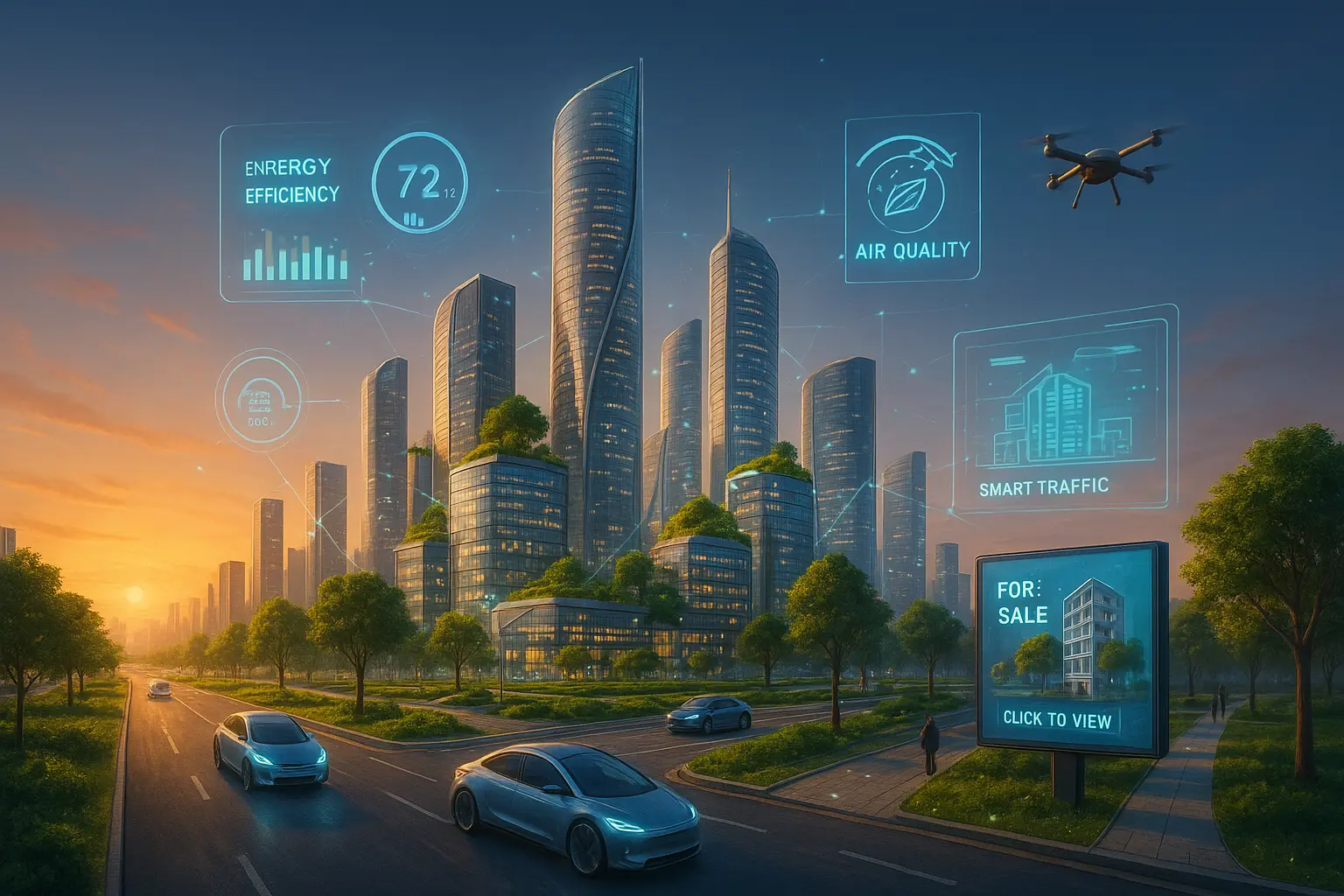

As we step into 2025, the concept of smart living has become a reality. The smart home technology has evolved significantly, transforming the way we live, work, and interact with our surroundings.

The future of smart homes looks promising, with innovations and trends making them more efficient, secure, and enjoyable. From voice-controlled assistants to advanced security systems, the latest developments are revolutionizing the way we experience home automation.
The Current State of Smart Home Technology
In just five years, smart home technology has evolved at an unprecedented pace. This rapid growth has transformed the way we live, making our homes more convenient, efficient, and connected.
The Rapid Evolution from 2020 to 2025
The smart home industry has seen significant advancements in areas such as AI integration, device interoperability, and user interface improvements. Some key developments include:
- Enhanced AI assistants capable of complex tasks and personalized recommendations
- Improved device compatibility through standards like Matter
- Advancements in IoT security and data protection
Major Players and Ecosystem Development
The smart home ecosystem is shaped by several major players, including tech giants like Amazon, Google, and Apple. These companies have been instrumental in driving innovation and expanding the smart home market. Their contributions include:
- Developing comprehensive smart home platforms
- Investing in research and development for new technologies
- Creating ecosystems that integrate various smart devices
The collaboration and competition among these major players have accelerated the smart home evolution, offering consumers a wider range of choices and more sophisticated products.
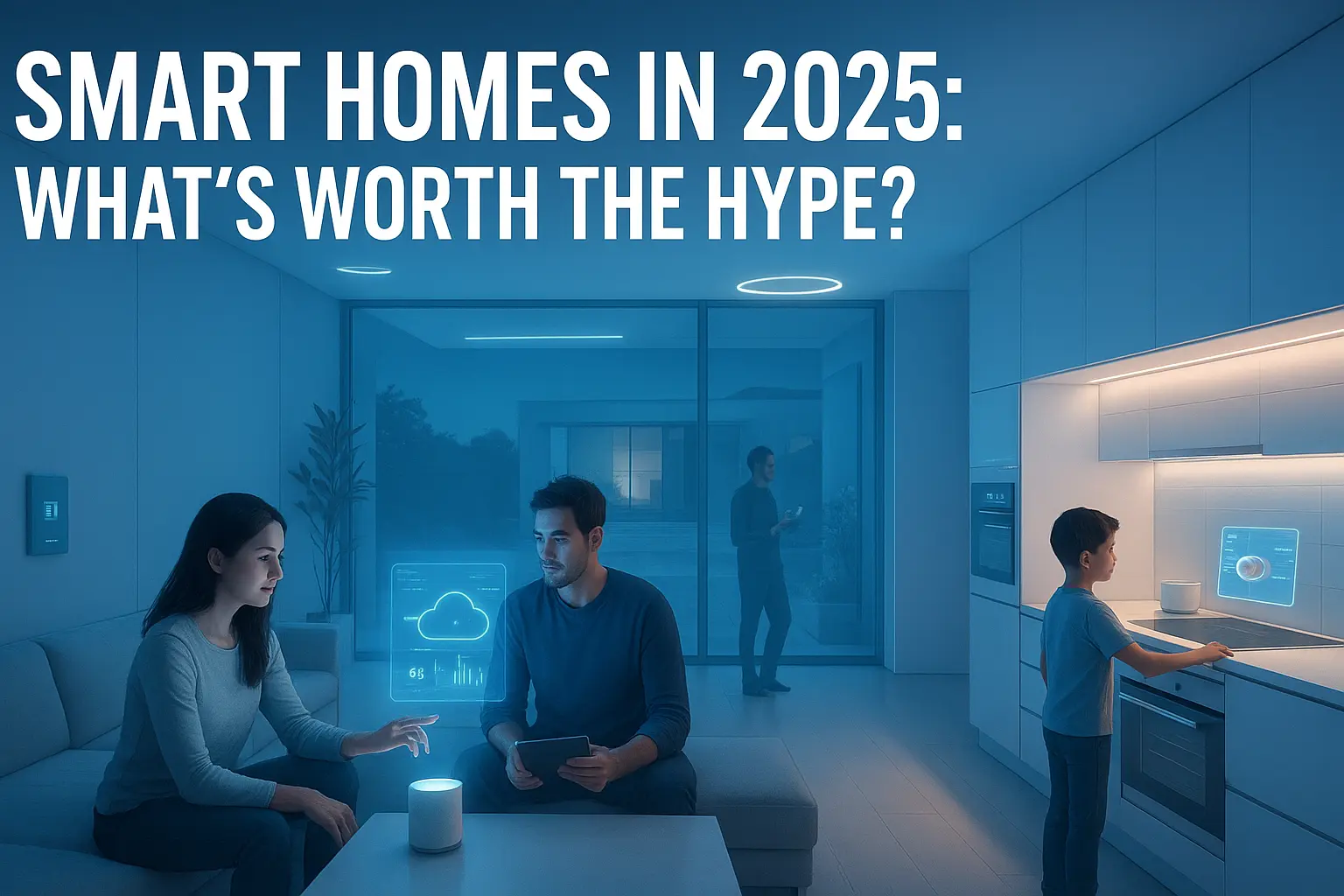
Smart Homes in2025: What’s Worth the Hype?
With advancements in technology, 2025 is shaping up to be a pivotal year for smart homes. As we navigate the evolving landscape of smart home technology, it’s crucial to distinguish between true innovation and marketing hype.
Distinguishing True Innovation from Marketing Hype
The smart home industry is rife with buzzwords and flashy marketing campaigns. However, true innovation lies in technologies that simplify lives, enhance security, and promote sustainability. For instance, advancements in AI-powered home management systems are making it easier for homeowners to control their living environments efficiently.
Consumer Adoption Trends and Pain Points
Consumer adoption of smart home technology is on the rise, driven by the desire for convenience, energy efficiency, and enhanced home security. However, interoperability issues and data privacy concerns remain significant pain points. Manufacturers are working to address these issues through standardized protocols and enhanced security measures.
The Shift from Novelty to Necessity
Smart homes are transitioning from being a luxury to a necessity. As technology advances and becomes more affordable, features like voice control, automated lighting, and smart thermostats are becoming essential components of modern living. This shift is driven by consumer demand for seamless integration and intuitive control over home environments.
As we look towards 2025, it’s clear that smart home technology will continue to evolve, driven by consumer needs and technological advancements. By understanding the trends and addressing the challenges, homeowners can make informed decisions about their smart home investments.
Next-Generation AI Assistants
The future of smart homes is being shaped by next-generation AI assistants that are more intuitive and proactive. These advanced systems are moving beyond the capabilities of current AI assistants like Alexa and Google.
Beyond Alexa and Google: Ambient Intelligence
Ambient intelligence represents a significant shift in how AI assistants interact with our environment. Ambient intelligence enables devices to be more aware of their surroundings and respond accordingly.
- Enhanced contextual understanding
- Proactive assistance without explicit commands
- Seamless integration with various smart devices
Predictive AI and Personalized Home Management
Predictive AI is revolutionizing home management by anticipating our needs and preferences. This technology allows for personalized experiences tailored to individual habits and routines.
Multi-Modal Interaction: Voice, Gesture, and Thought
The way we interact with AI assistants is becoming more diverse, incorporating voice, gesture, and even thought through advancements in brain-computer interfaces.
As AI assistants continue to evolve, they will play an increasingly central role in managing our smart homes, making our lives more convenient and efficient.
Advanced Security Systems: The New Home Fortress
As we step into 2025, the concept of home security is undergoing a radical transformation. Advanced security systems are becoming the norm, offering homeowners unprecedented levels of protection and peace of mind.
Facial Recognition and Biometric Access Control
One of the most significant advancements in home security is the integration of facial recognition technology. This allows for precise identification of individuals attempting to enter your home. Biometric access control, including fingerprint and voice recognition, adds an additional layer of security, making it virtually impossible for unauthorized individuals to gain access.
AI-Powered Threat Detection and Response
AI-powered threat detection systems are revolutionizing home security by identifying potential threats before they become incidents. These systems can detect unusual patterns of behavior, alerting homeowners to potential dangers. Moreover, AI-driven response systems can automatically notify authorities in case of a security breach, ensuring a rapid response.
Balancing Security with Privacy Rights
While advanced security systems offer enhanced protection, they also raise concerns about privacy rights. It’s crucial to strike a balance between security and privacy. Homeowners should be aware of the data collected by these systems and ensure that it’s handled responsibly.
Some key considerations for balancing security and privacy include:
- Understanding what data is being collected and how it’s used
- Ensuring that the system complies with relevant privacy regulations
- Regularly reviewing and updating security settings to maintain optimal privacy
Energy Management and Sustainability
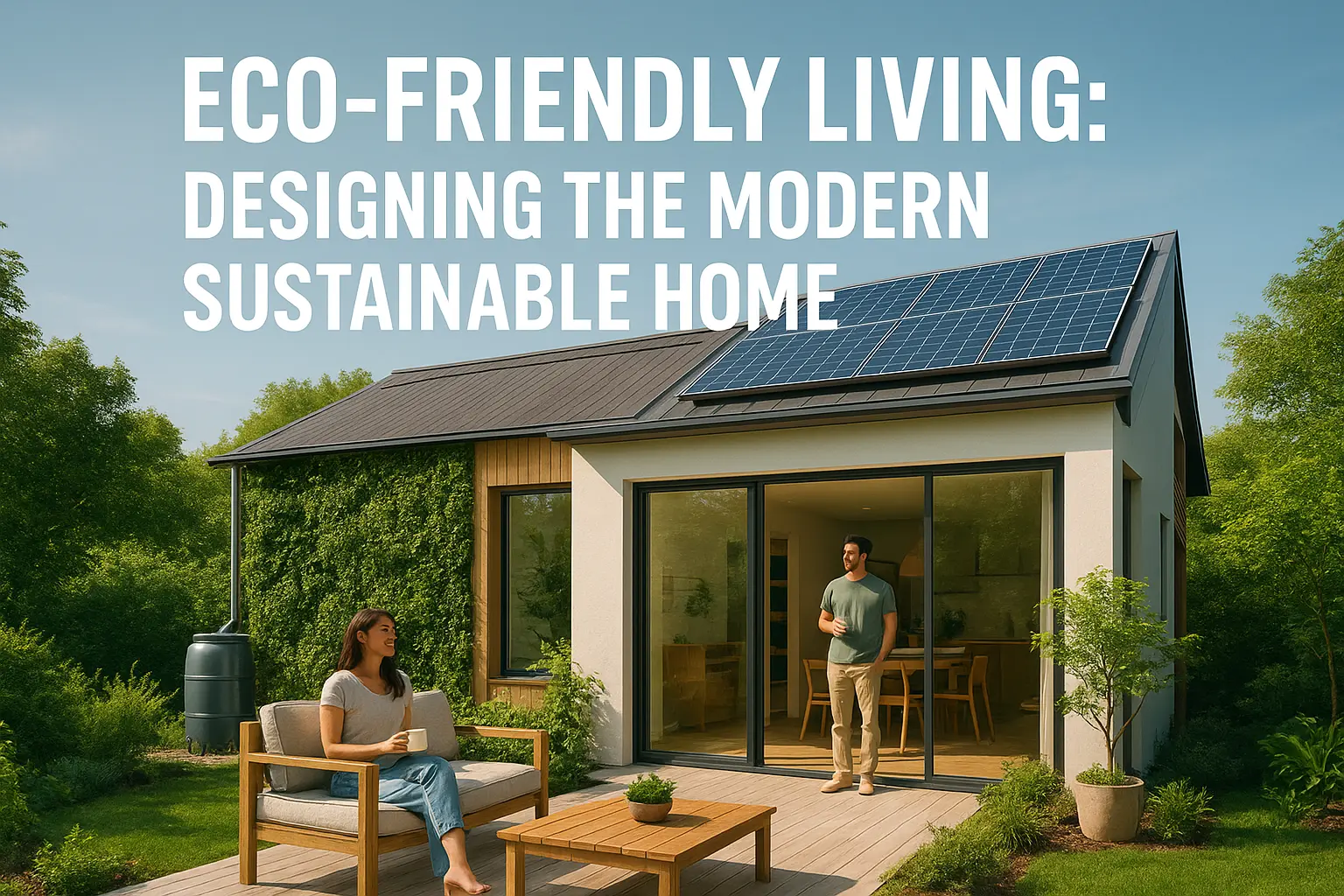
Smart homes in 2025 are not just about convenience; they’re also about reducing our carbon footprint. As technology advances, homes are becoming more energy-efficient, leveraging smart grid integration, renewable energy sources, and advanced energy management systems.
Smart Grid Integration and Dynamic Pricing
The integration of smart homes with the grid enables dynamic pricing, allowing homeowners to adjust their energy consumption based on real-time pricing. This not only saves money but also reduces strain on the grid during peak hours. Smart thermostats and energy management systems learn a household’s schedule and preferences to optimize energy use.
Home Battery Storage and Renewable Energy Systems
Home battery storage systems, like Tesla’s Powerwall, are becoming increasingly popular, allowing homeowners to store excess energy generated from renewable sources like solar panels. This stored energy can be used during peak hours or when the grid is down, enhancing energy independence and reducing reliance on fossil fuels.
Predictive Energy Optimization and Carbon Footprint Tracking
Predictive energy optimization uses AI to analyze energy usage patterns and predict future energy needs. This allows for more efficient energy distribution and consumption. Additionally, carbon footprint tracking enables homeowners to monitor their energy usage and make informed decisions to reduce their environmental impact.
By embracing these technologies, smart homes in 2025 are not only more comfortable and convenient but also more sustainable and energy-efficient.
Health and Wellness Monitoring Technologies
Health and wellness monitoring technologies are transforming smart homes into proactive health management hubs. These innovations are not only enhancing the quality of life for individuals but also providing critical support for the elderly and those with chronic health conditions.
Ambient Health Sensors and Sleep Optimization
Ambient health sensors are being integrated into smart homes to monitor various health metrics, including sleep patterns. These sensors can detect anomalies in sleep cycles and provide insights that help optimize rest and relaxation. For instance, sleep stage monitoring can identify periods of deep sleep, light sleep, and REM sleep, allowing for personalized adjustments to improve sleep quality.
Preventative Care and Early Warning Systems
Preventative care is a significant aspect of health monitoring in smart homes. Advanced systems can detect early warning signs of health issues, such as changes in heart rate, blood pressure, or other vital signs. These systems enable early intervention, potentially preventing serious health complications. Some of the key features include:
- Continuous monitoring of vital signs
- Automated alerts for healthcare providers or family members
- Personalized health advice based on collected data
Aging-in-Place Solutions for Independent Living
Aging-in-place solutions are designed to support elderly individuals in living independently within their homes. Smart home technologies, including health monitoring systems, can significantly enhance their quality of life. For example, fall detection systems can alert caregivers or emergency services in case of an accident, ensuring timely assistance.

By incorporating health and wellness monitoring technologies, smart homes are becoming sanctuaries of health and wellness, offering peace of mind to residents and their families.
The Intelligent Kitchen Revolution
As we step into 2025, the kitchen is becoming increasingly intelligent. The smart kitchen is transforming the way we cook, eat, and interact with our appliances. With the integration of AI, IoT, and advanced technologies, kitchens are now more efficient, personalized, and connected than ever before.
Smart Appliances and Automated Cooking Systems
The heart of the intelligent kitchen lies in its smart appliances. These are not just connected devices; they are intelligent systems that can be controlled remotely, learn your preferences, and even order groceries for you. Automated cooking systems can prepare meals with precision, reducing cooking time and effort.
- Smart refrigerators that can suggest recipes based on the ingredients available
- Ovens that can be preheated remotely and adjust cooking settings automatically
- Coffee makers that can brew coffee according to your schedule and preferences
Food Inventory Management and Waste Reduction
One of the significant advantages of the smart kitchen is its ability to manage food inventory and reduce waste. Smart fridges can track the expiration dates of products, suggest recipes to use up ingredients before they expire, and even automate grocery lists.
- Track and manage your food inventory digitally
- Receive notifications for expiring products
- Minimize food waste with recipe suggestions
Personalized Nutrition and Dietary Guidance
Personalized nutrition is another key feature of the intelligent kitchen. With the help of AI and data analytics, smart kitchens can provide dietary guidance tailored to an individual’s health needs, preferences, and lifestyle.
By integrating health data and dietary preferences, smart kitchen systems can suggest meal plans, provide nutritional information, and even adjust recipes to meet specific dietary requirements.
Immersive Entertainment and Spatial Computing
Smart homes are evolving into entertainment hubs with cutting-edge immersive experiences. The integration of advanced technologies is redefining how we enjoy leisure time in the comfort of our own homes.
Mixed Reality Environments and Holographic Displays
The advent of mixed reality (MR) and holographic displays is bringing a new dimension to home entertainment. These technologies enable users to interact with virtual objects in their real environment, creating an immersive experience like never before.
Imagine watching a holographic movie in your living room, with characters and objects appearing as if they’re really there. This is becoming a reality with advancements in display technology and spatial computing.
Whole-Home Audio/Visual Synchronization
Another aspect of immersive entertainment is the synchronization of audio and visual elements across the home. Whole-home AV synchronization ensures that music and video are perfectly coordinated in every room, creating a seamless entertainment experience.
- Multi-room audio systems
- Synchronized lighting effects
- High-definition video distribution
AI-Curated Content and Interactive Experiences
AI-curated content is personalizing the entertainment experience, suggesting movies, music, and games based on user preferences. Moreover, interactive experiences are being enhanced with AI, allowing for more engaging and dynamic entertainment.
For instance, AI can analyze your viewing habits and suggest new content that you’re likely to enjoy. It can also facilitate interactive storytelling, where the narrative adapts based on user input.
Connectivity Standards and Interoperability
The future of smart homes hinges on the development of robust connectivity standards and interoperability protocols. As the number of smart devices in homes increases, the need for these devices to work seamlessly together becomes more critical.

Matter Protocol and Universal Device Compatibility
The introduction of the Matter protocol represents a significant step towards achieving universal device compatibility. Matter is designed to be a unified standard that enables smart home devices from different manufacturers to communicate with each other.
- Simplifies device setup and management
- Enhances security through standardized protocols
- Increases compatibility across different ecosystems
Wi-Fi 7, Thread, and Next-Gen Wireless Technologies
Next-generation wireless technologies like Wi-Fi 7 and Thread are playing a crucial role in enhancing the connectivity and performance of smart home devices. These technologies offer improved speed, capacity, and efficiency.
- Wi-Fi 7 provides faster data transfer rates
- Thread enables low-power, mesh networking
- These technologies support a larger number of connected devices
Edge Computing vs. Cloud Processing
The debate between edge computing and cloud processing is central to the discussion on smart home data management. Edge computing processes data locally, reducing latency and improving security, while cloud processing offers scalability and remote access.
By adopting a balanced approach that leverages both edge computing and cloud processing, smart home systems can optimize performance and efficiency.
Privacy, Security, and Data Ownership
With the rise of smart homes, the issues of privacy, security, and who owns the data generated by these systems are becoming increasingly important. As we integrate more smart devices into our living spaces, we must consider the implications for our personal data.
Local Processing vs. Cloud Dependence
One of the critical debates in the smart home ecosystem is between local processing and cloud dependence. Local processing involves handling data within the home, potentially enhancing privacy. In contrast, cloud dependence relies on remote servers, which can offer greater scalability but also raise security concerns.
User Control and Data Transparency
Users need control over their data and transparency about how it’s used. This includes understanding what data is collected, how it’s stored, and who has access to it. Manufacturers must prioritize user-centric data policies.
Regulatory Frameworks and Consumer Rights
Regulatory frameworks play a crucial role in protecting consumer rights. Governments and industry bodies are working to establish standards that balance innovation with privacy and security protections.
| Aspect | Local Processing | Cloud Dependence |
|---|---|---|
| Privacy | Enhanced | Potential Risks |
| Security | Dependent on Local Measures | Scalable Security |
| Data Control | User Has More Control | Control is Distributed |
By understanding these aspects, consumers can make informed decisions about their smart home technology, ensuring they benefit from the advancements while protecting their rights to privacy and security.
Cost-Benefit Analysis: Is It Worth the Investment?
As smart home technology advances, understanding its cost-benefit analysis is crucial. Homeowners are increasingly asking whether the benefits of smart homes justify the costs. A comprehensive analysis involves examining the long-term return on investment (ROI), various pricing models, and budget-friendly solutions.
Long-Term ROI of Smart Home Systems
Investing in smart home technology can yield significant long-term benefits, including energy savings and increased property value. According to a study by the National Association of Realtors, homes with smart features can sell for 3-5% more than comparable homes without these features. Energy-efficient smart thermostats alone can save homeowners up to $150 annually on utility bills.
Subscription Models vs. One-Time Purchases
Smart home devices often come with different pricing models. While some devices require a one-time purchase, others involve subscription-based services. For instance, security cameras may offer cloud storage for a monthly fee. Homeowners should weigh the costs and benefits of each model to determine the most cost-effective solution.
Budget-Friendly Smart Home Solutions
For those on a budget, there are still numerous affordable smart home options. Devices like smart light bulbs and plugs can be purchased for under $20.
“Smart home technology is becoming more accessible, with a range of price points to suit different budgets,” says a spokesperson for the Consumer Electronics Association.
By carefully considering the costs and benefits, homeowners can make informed decisions about their smart home investments. Whether through one-time purchases or subscription models, smart home technology can offer a compelling ROI when chosen wisely.
Conclusion: Creating Your Ideal Smart Home
As we look to the smart home future, it’s clear that technology will continue to transform how we live, work, and interact within our homes. The ideal smart home is not just about adopting the latest gadgets; it’s about creating a living space that is efficient, secure, and enjoyable.
To achieve this, homeowners should focus on integrating technologies that enhance their lifestyle, such as next-generation AI assistants, advanced security systems, and energy management solutions. By understanding the trends and technologies discussed, individuals can make informed decisions about their smart home investments.
Creating an ideal smart home requires balancing innovation with practicality. It’s about selecting the right mix of technologies that make life easier, more convenient, and more enjoyable. As smart home technology continues to evolve, staying informed about the latest developments will be key to unlocking its full potential.
FAQ
What is the current state of smart home technology?
As of 2025, smart home technology has advanced significantly, with major players like Amazon, Google, and Apple driving innovation and ecosystem development.
How do I distinguish between true innovation and marketing hype in smart home technology?
To distinguish between true innovation and marketing hype, look for technologies that solve real-world problems, such as energy efficiency, security, and convenience, and check for industry certifications and reviews.
What are the benefits of next-generation AI assistants in smart homes?
Next-generation AI assistants, such as those utilizing ambient intelligence and predictive AI, offer enhanced personalized home management, multi-modal interaction, and improved automation.
How do advanced security systems, like facial recognition and biometric access control, work in smart homes?
Advanced security systems use technologies like facial recognition and biometric access control to provide secure and convenient access to homes, while AI-powered threat detection and response enhance overall security.
Can smart homes really help reduce energy consumption and carbon footprint?
Yes, smart homes can significantly reduce energy consumption and carbon footprint through smart grid integration, home battery storage, and predictive energy optimization.
What is the role of health and wellness monitoring technologies in smart homes?
Health and wellness monitoring technologies, such as ambient health sensors and preventative care systems, improve the quality of life, especially for the elderly, by monitoring vital signs and detecting potential health issues early.
How do intelligent kitchens with smart appliances and automated cooking systems work?
Intelligent kitchens utilize smart appliances and automated cooking systems to personalize nutrition, reduce food waste, and enhance cooking experiences through technologies like food inventory management and recipe suggestions.
What are the benefits of immersive entertainment and spatial computing in smart homes?
Immersive entertainment and spatial computing technologies, such as mixed reality and holographic displays, create interactive and engaging entertainment experiences, while AI-curated content enhances the overall experience.
Why is connectivity standards and interoperability important in smart homes?
Connectivity standards and interoperability, such as the Matter protocol, ensure seamless communication between devices from different manufacturers, making it easier to integrate and control smart home devices.
How can I ensure my smart home is secure and private?
To ensure smart home security and privacy, prioritize local processing over cloud dependence, use robust passwords, and stay informed about regulatory frameworks and consumer rights.
Is investing in smart home technology worth the cost?
Investing in smart home technology can be worth the cost, as it offers long-term ROI, convenience, energy efficiency, and enhanced security, with various pricing models and budget-friendly solutions available.
What are the key considerations when creating an ideal smart home?
When creating an ideal smart home, consider factors like energy efficiency, security, convenience, and interoperability, and prioritize technologies that align with your needs and budget.