
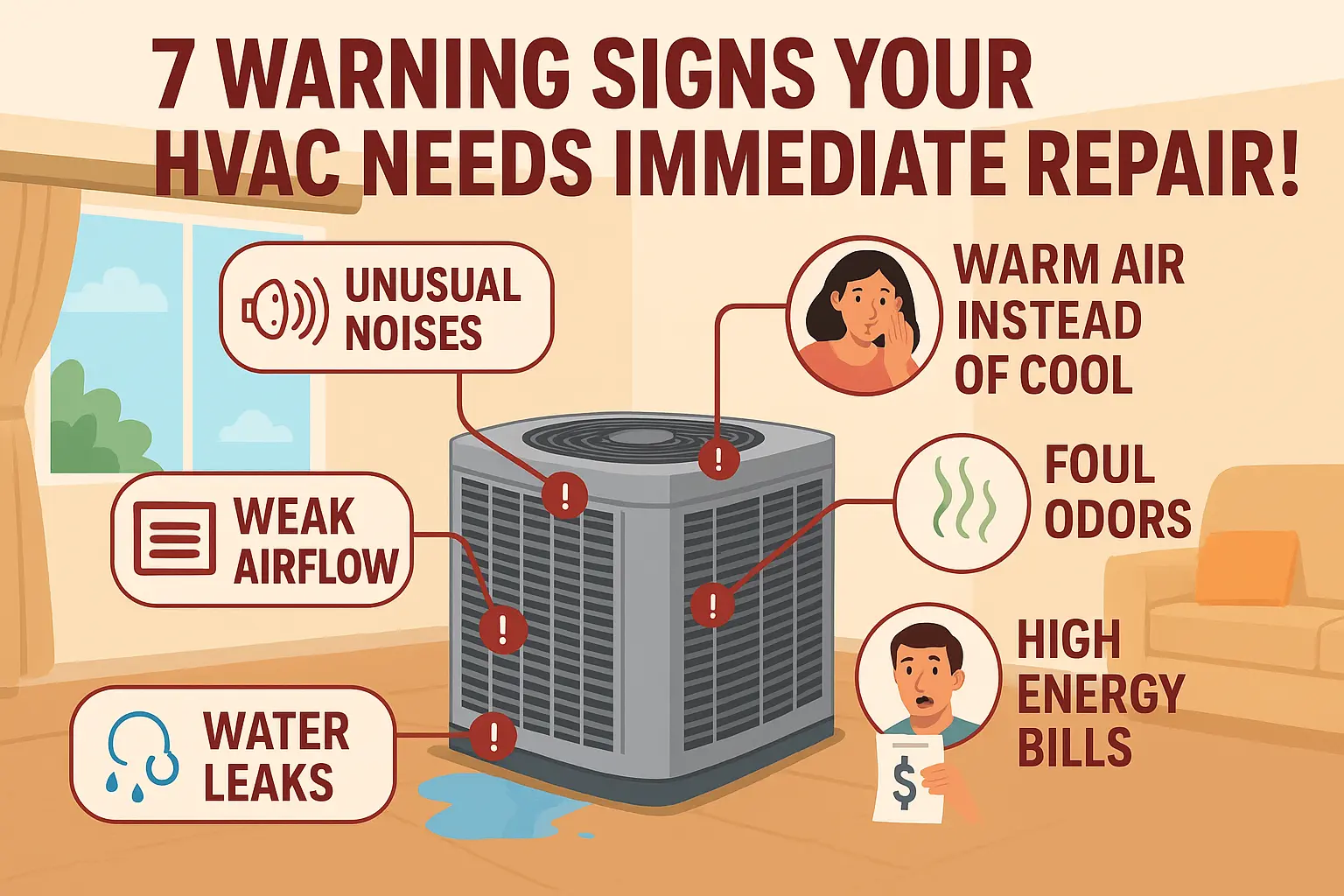

HVAC System Repair: Is your heating and cooling system not functioning as it should? Perhaps it’s making unusual noises or not maintaining a consistent temperature. These could be indicators that it’s time for some maintenance or repair.

Ignoring these HVAC repair signs can lead to more significant problems down the line, including increased energy bills and potentially costly repairs. Regular HVAC system maintenance is crucial for extending the lifespan of your heating and cooling system.
The Critical Importance of Timely HVAC Repairs
The importance of timely HVAC repairs cannot be overstated, as they directly impact system efficiency and indoor air quality. A well-maintained HVAC system is crucial for a comfortable and healthy indoor environment.
How Delayed Repairs Impact System Efficiency
Delayed repairs can significantly impact the efficiency of your HVAC system. When components are worn out or malfunctioning, the system has to work harder to achieve the desired temperature, leading to increased energy consumption and higher utility bills. Moreover, neglecting repairs can cause a ripple effect, leading to more extensive and costly problems down the line.
For instance, a faulty thermostat can cause the system to run continuously, wasting energy and increasing wear on other components. Similarly, a refrigerant leak can reduce the system’s ability to cool effectively, leading to increased energy consumption and potential damage to the compressor.
The Connection Between HVAC Maintenance and Indoor Air Quality
HVAC maintenance is closely linked to indoor air quality. A dirty or malfunctioning HVAC system can circulate polluted air, exacerbating respiratory issues and other health problems. Regular maintenance, including filter replacements and duct cleaning, helps ensure that the air in your home remains clean and healthy.
Furthermore, a well-maintained HVAC system can help reduce the presence of mold, mildew, and other allergens in your home. By ensuring that your system is in good working order, you can create a healthier indoor environment for you and your family.
Signs Your HVAC System Needs Immediate Repair
A malfunctioning HVAC system can lead to discomfort and safety issues, making it vital to know when to call for professional repairs. Your HVAC system is a complex piece of equipment that requires timely maintenance and repair to function efficiently.
Emergency Indicators That Require Professional Attention
Certain signs indicate that your HVAC system needs immediate professional attention. These include:
- Unusual noises such as grinding, screeching, or banging sounds
- Frequent cycling on and off
- Unexplained spikes in energy bills
- Inconsistent heating or cooling throughout your home
- A complete system failure
If you notice any of these signs, it’s crucial to contact an HVAC professional to diagnose and repair the issue promptly.
Safety Concerns Associated With Malfunctioning HVAC Systems
Malfunctioning HVAC systems can pose significant safety risks, including:
| Safety Risk | Description |
|---|---|
| Carbon Monoxide Poisoning | A faulty furnace can leak carbon monoxide, a colorless, odorless gas that can be deadly. |
| Fire Hazards | Electrical issues or a malfunctioning heating element can ignite a fire. |
| Electrical Shock | Exposed wiring or faulty electrical components can cause electrical shock. |
Regular maintenance is key to preventing these safety concerns. By having your HVAC system inspected regularly, you can identify potential issues before they become major problems.
Being aware of the signs that your HVAC system needs immediate repair can save you from unexpected breakdowns and costly fixes. If you’re experiencing any of the emergency indicators or safety concerns mentioned, don’t hesitate to seek professional help.
Unusual Sounds: Decoding Your HVAC System’s Distress Signals
The sounds your HVAC system makes can be telling; decoding these noises is key to understanding its health. When your system operates normally, it should run relatively quietly. However, unusual sounds can signal potential problems that need attention.
Banging, Clanking, and Rattling Noises
Banging, clanking, and rattling noises are often indicative of loose or broken components within your HVAC system. These sounds can result from a variety of issues, including loose screws, debris within the system, or even a failing compressor. Ignoring these noises can lead to more severe problems, such as system failure or even safety hazards.
Whistling, Hissing, and Buzzing Sounds
Whistling or hissing sounds typically suggest issues related to airflow or pressure within the system. A whistling noise might indicate a leak in the ductwork, while hissing could be a sign of refrigerant leaks. Buzzing sounds, on the other hand, are often related to electrical issues, such as a malfunctioning contactor or capacitor. These sounds warrant immediate investigation to prevent further damage.
What Different Sounds Indicate About Your System’s Health
Understanding the different sounds your HVAC system makes can help you diagnose its health. Here’s a quick reference table:
| Sound Type | Possible Cause | System Health Indication |
|---|---|---|
| Banging/Clanking | Loose or broken components | Potential for mechanical failure |
| Rattling | Debris or loose parts | Risk of further damage if not addressed |
| Whistling/Hissing | Airflow or pressure issues, refrigerant leaks | Efficiency and safety concerns |
| Buzzing | Electrical issues | Risk of electrical failure or shock |
By paying attention to these sounds and addressing the underlying causes, you can prevent minor issues from becoming major repairs. Regular maintenance is also crucial in keeping your HVAC system running smoothly and quietly.
Temperature Inconsistencies Throughout Your Home
Experiencing hot and cold spots in your home? It’s crucial to understand what these temperature inconsistencies tell you about your HVAC system. Temperature fluctuations across different areas can signal underlying issues that need to be addressed.
Hot and Cold Spots: What They Tell You
Hot and cold spots are more than just a nuisance; they can indicate problems with your HVAC system’s ability to distribute air evenly. These inconsistencies might be due to various factors, including duct leakage, blocked vents, or malfunctioning thermostats.
Thermostat Issues vs. Airflow Problems
Distinguishing between thermostat issues and airflow problems is crucial for effective troubleshooting. Thermostat issues might involve calibration errors or faulty sensors, while airflow problems could stem from dirty filters, blocked ducts, or fan issues.
| Issue | Symptoms | Potential Causes |
|---|---|---|
| Thermostat Issues | Inaccurate temperature readings, inconsistent heating/cooling | Calibration errors, faulty sensors, battery issues |
| Airflow Problems | Reduced airflow, uneven heating/cooling | Dirty filters, blocked ducts, fan problems |
Understanding the root cause of temperature inconsistencies is key to restoring comfort and efficiency to your home’s HVAC system. Whether it’s a simple fix or requires professional attention, identifying the issue is the first step towards a solution.
Rising Energy Bills: The Hidden Cost of HVAC Problems
One of the most telling signs that your HVAC system needs repair is a sudden increase in your energy bills. When your heating or cooling system isn’t functioning correctly, it has to work harder to maintain the desired temperature, leading to higher energy consumption.
Identifying HVAC-Related Energy Consumption
To determine if your HVAC system is the cause of rising energy bills, look for patterns. Check your energy consumption during different seasons. If you notice a significant spike during heating or cooling seasons, it’s likely related to your HVAC system’s efficiency.
Key indicators include:
- Increased energy bills during peak usage seasons
- Visible signs of wear or damage on your HVAC system
- Reduced airflow or inconsistent temperatures
Calculating the Financial Impact
The financial impact of an inefficient HVAC system can be substantial. To calculate this, compare your current energy bills with those from the same period in previous years. The difference can help you understand the cost implications of neglecting your HVAC system’s maintenance.
| Energy Consumption Period | Previous Year’s Bill | Current Year’s Bill | Difference |
|---|---|---|---|
| Summer | $150 | $200 | $50 |
| Winter | $120 | $180 | $60 |
By understanding the link between your HVAC system’s performance and your energy bills, you can take proactive steps to improve its efficiency and reduce your energy costs.
Poor Airflow: Causes and Consequences
Inadequate airflow is a telltale sign that your HVAC system needs attention. Poor airflow can lead to reduced comfort, increased energy bills, and potentially, premature system failure.
Several factors can contribute to poor airflow in your HVAC system. Understanding these causes is crucial to addressing the issue effectively.
Blocked Vents and Dirty Filters
One of the most common causes of poor airflow is blocked vents or dirty filters. When vents are closed or obstructed, or when filters are clogged with dust and debris, airflow is significantly reduced. Regularly checking and cleaning filters, as well as ensuring vents are open and unobstructed, can help maintain proper airflow.

Ductwork Issues and Blower Problems
Ductwork issues, such as leaks, kinks, or blockages, can also impede airflow. Similarly, problems with the blower, like worn-out belts or faulty motors, can reduce the system’s ability to circulate air effectively. Inspecting ductwork for damage and ensuring the blower is in good working condition are essential steps in maintaining optimal airflow.
By addressing these common causes of poor airflow, homeowners can improve the efficiency and effectiveness of their HVAC systems, leading to a more comfortable living environment and lower energy costs.
Strange Odors Coming From Your HVAC System
Strange odors from your HVAC system are not just annoying; they can indicate serious problems like mold growth or electrical issues. When you notice unusual smells, it’s essential to identify the source to address the problem effectively.
Musty Smells and Potential Mold Issues
A musty smell emanating from your HVAC system often suggests mold growth within the ductwork or on the system’s components. Mold thrives in damp environments, and its presence can lead to health issues, including allergic reactions and respiratory problems. To mitigate this, ensure your system is well-maintained, and consider hiring a professional to inspect and clean your ductwork.
Burning Odors and Electrical Concerns
Burning smells from your HVAC system can be alarming and may indicate electrical issues or a malfunctioning component. This could be due to a faulty motor, wiring problems, or a failing circuit board. It’s crucial to turn off the system and consult a professional to diagnose and repair the issue, as it could pose a fire hazard.
Gas Smells and Emergency Protocols
If you detect a gas smell near your HVAC system, it’s a serious safety concern that requires immediate action. Gas leaks can lead to explosions or carbon monoxide poisoning. Turn off the system, ventilate the area, and contact your gas company or emergency services right away. Do not attempt to investigate or repair the issue yourself.
| Odor Type | Possible Cause | Recommended Action |
|---|---|---|
| Musty | Mold growth | Inspect and clean ductwork |
| Burning | Electrical issues | Turn off system, consult a professional |
| Gas | Gas leak | Ventilate, contact gas company or emergency services |
Seasonal HVAC Issues: What to Watch For
As the seasons change, your HVAC system’s performance can be put to the test, revealing potential issues that need attention. Understanding these seasonal challenges is key to maintaining your system’s efficiency and prolonging its lifespan.
Summer Cooling Problems and Warning Signs
During the summer, your HVAC system’s cooling function is under maximum stress. Watch for signs of cooling problems, such as:
- Increased energy bills without a corresponding increase in usage
- Warm air blowing from vents
- Frequent cycling on and off
These issues could indicate a refrigerant leak, a faulty compressor, or clogged air filters. Regular maintenance, such as cleaning filters and checking refrigerant levels, can help prevent these problems.
Winter Heating Concerns and Red Flags
Winter brings its own set of challenges for HVAC systems, particularly for heating functions. Be aware of:
- Unusual noises coming from the furnace or heat pump
- Inconsistent heating across different rooms
- Higher than usual energy bills
These red flags could signal issues like a malfunctioning igniter, dirty burners, or a failing heat exchanger. Regular inspections can identify these problems before they become major issues.
Spring and Fall Maintenance Considerations
Spring and fall are ideal times for maintenance as they are less demanding on your HVAC system. Use these seasons to:
| Maintenance Task | Spring | Fall |
|---|---|---|
| Filter Cleaning/Replacement | Yes | Yes |
| Duct Inspection | Yes | Yes |
| System Flush | Optional | Yes |
Performing these tasks can ensure your HVAC system is ready for the more extreme temperatures of summer and winter.
By staying vigilant about seasonal HVAC issues and performing regular maintenance, you can avoid unexpected breakdowns and keep your system running efficiently throughout the year.
Moisture and Leakage Around Your HVAC Equipment
HVAC equipment surrounded by moisture or showing signs of leakage is not just a minor issue; it’s a call to action. Moisture and leakage can lead to significant problems, including damage to your system, increased energy bills, and potential health hazards due to mold growth.

Refrigerant Leaks: Identification and Risks
Refrigerant leaks are a common issue that can cause moisture accumulation around your HVAC equipment. These leaks not only affect the efficiency of your system but also pose environmental risks. Signs of refrigerant leaks include:
- Ice buildup on refrigerant lines
- Increased humidity levels in your home
- Higher energy bills due to system inefficiency
It’s crucial to identify and repair refrigerant leaks promptly. Professional HVAC technicians can detect leaks using specialized equipment and recharge your system with the appropriate refrigerant.
Condensate Drain Line Problems
Condensate drain line issues are another source of moisture and leakage around HVAC equipment. When the condensate drain line is clogged or damaged, water can back up into your home or leak around the equipment. Common signs include:
- Water pooling near the HVAC unit
- Water damage on walls or ceilings near the unit
- Musty odors indicating potential mold growth
Water Damage Prevention Strategies
Preventing water damage is key to maintaining your HVAC system’s integrity and your home’s overall condition. Here are some strategies:
| Strategy | Description | Benefits |
|---|---|---|
| Regular Maintenance | Schedule annual inspections of your HVAC system, including the condensate drain line. | Early detection of potential issues, reduced risk of water damage. |
| Proper Drainage | Ensure the condensate drain line is properly sized and directed away from your home’s foundation. | Reduces the risk of water accumulation and damage. |
| Leak Detection Systems | Consider installing leak detection systems that alert you to potential issues. | Immediate notification of leaks, allowing for prompt action. |
By understanding the causes of moisture and leakage around your HVAC equipment and implementing preventive measures, you can protect your system and your home from potential damage.
Repair vs. Replace: Making the Right Decision
Facing issues with your HVAC system raises an important question: should you repair it or replace it entirely? This decision isn’t straightforward and depends on several factors, including the system’s age, the nature of the problem, and your budget.
Age-Related Factors in HVAC Decision Making
The age of your HVAC system plays a significant role in deciding whether to repair or replace it. Most systems have a lifespan of 15 to 20 years. If your system is nearing or has exceeded this range, it might be more cost-effective to replace it rather than continuing to repair it.
Cost-Benefit Analysis of Repairs vs. Replacement
Conducting a cost-benefit analysis is crucial. Consider the cost of repairs versus the cost of a new system. If the repair costs are more than half the price of a new system, replacement is likely the better choice.
Energy Efficiency Considerations for Older Systems
Older HVAC systems are typically less energy-efficient than newer models. Replacing an old system with a new, energy-efficient one can lead to significant savings on your utility bills. For instance, modern HVAC systems with high SEER ratings can reduce energy consumption substantially.
| System Age | Repair Cost | Replacement Cost | Energy Efficiency |
|---|---|---|---|
| 0-5 years | Low | High | High |
| 5-15 years | Moderate | Moderate | Moderate |
| 15+ years | High | Low | Low |
In conclusion, making the right decision between repairing and replacing your HVAC system requires careful consideration of several factors. By weighing the age of your system, the costs involved, and the potential energy savings, you can make an informed decision that suits your needs and budget.
Preventative Maintenance to Avoid Major Repairs
A well-maintained HVAC system is not just about fixing issues; it’s about preventing them from arising in the first place. By adopting a proactive approach to maintenance, homeowners can significantly extend the lifespan of their HVAC systems and avoid costly repairs.
Seasonal Maintenance Checklist for Homeowners
To keep your HVAC system in top condition, it’s essential to perform seasonal checks. Here’s a simple checklist:
- Before summer: Check and clean filters, inspect thermostat settings, and ensure outdoor units are clear of debris.
- Before winter: Inspect and clean heating components, check for drafts, and ensure proper insulation around ducts.
Professional Maintenance Services and Their Benefits
While DIY maintenance is beneficial, professional maintenance services offer a more comprehensive approach. Professionals can identify potential issues before they become major problems, ensuring your system operates efficiently and safely.
“Regular maintenance is crucial for the longevity and efficiency of HVAC systems. It’s not just about saving on repair costs; it’s about ensuring the comfort and safety of your home.”
John Smith, HVAC Expert
Creating a Maintenance Schedule for Optimal Performance
To maximize the benefits of preventative maintenance, create a schedule that includes regular checks and services. This can be as simple as setting reminders for seasonal inspections or scheduling annual professional maintenance visits.
By prioritizing preventative maintenance, homeowners can enjoy a more efficient, reliable, and long-lasting HVAC system. It’s a proactive step towards avoiding major repairs and ensuring the continued comfort and safety of your home.
Conclusion: Protecting Your HVAC Investment
To protect your HVAC investment, it’s essential to be proactive about maintenance and repairs. Regular checks can help identify potential issues before they become major problems, ensuring your system operates efficiently and effectively. By staying on top of HVAC maintenance, you can extend the system’s longevity and avoid costly repairs down the line.
Throughout this article, we’ve discussed various signs that indicate the need for HVAC system repair, from unusual sounds to temperature inconsistencies. By recognizing these signs and taking prompt action, you can prevent minor issues from escalating into major problems. Moreover, is replaced with a simple sentence to maintain the flow: Regular maintenance is key to a well-functioning HVAC system.
By investing time and resources into proper HVAC care, you can enjoy a comfortable indoor environment while also safeguarding your financial investment. With a well-maintained HVAC system, you can look forward to years of reliable service, improved energy efficiency, and enhanced overall performance.
FAQ
What are the signs that my HVAC system needs repair?
Signs that your HVAC system needs repair include unusual sounds, temperature inconsistencies, rising energy bills, poor airflow, and strange odors.
How do I know if my HVAC system is malfunctioning?
You can identify a malfunctioning HVAC system by looking out for emergency indicators such as a complete system failure, refrigerant leaks, or unusual noises.
What causes temperature inconsistencies throughout my home?
Temperature inconsistencies can be caused by hot and cold spots, thermostat issues, or airflow problems, which may indicate a need for HVAC repair or maintenance.
How can I reduce my energy bills related to HVAC operation?
To reduce energy bills, identify and address HVAC-related energy consumption issues, and consider regular maintenance to improve system efficiency.
What are the consequences of poor airflow in my HVAC system?
Poor airflow can lead to reduced system performance, increased energy consumption, and potential damage to the system, often caused by blocked vents, dirty filters, ductwork issues, or blower problems.
What do strange odors from my HVAC system indicate?
Strange odors can indicate potential issues such as mold growth, electrical concerns, or gas leaks, requiring immediate attention to ensure safety and system integrity.
How do I decide whether to repair or replace my HVAC system?
The decision to repair or replace your HVAC system depends on factors such as the system’s age, the cost of repairs, and energy efficiency considerations.
What maintenance tasks can I perform to prevent major HVAC repairs?
Regular maintenance tasks include following a seasonal maintenance checklist, using professional maintenance services, and creating a maintenance schedule to ensure optimal system performance.
How often should I have my HVAC system professionally maintained?
It is recommended to have your HVAC system professionally maintained at least once a year, ideally before the start of the heating or cooling season.
What are the benefits of preventative HVAC maintenance?
Preventative maintenance can help avoid major repairs, improve system efficiency, reduce energy consumption, and prolong the lifespan of your HVAC system.