
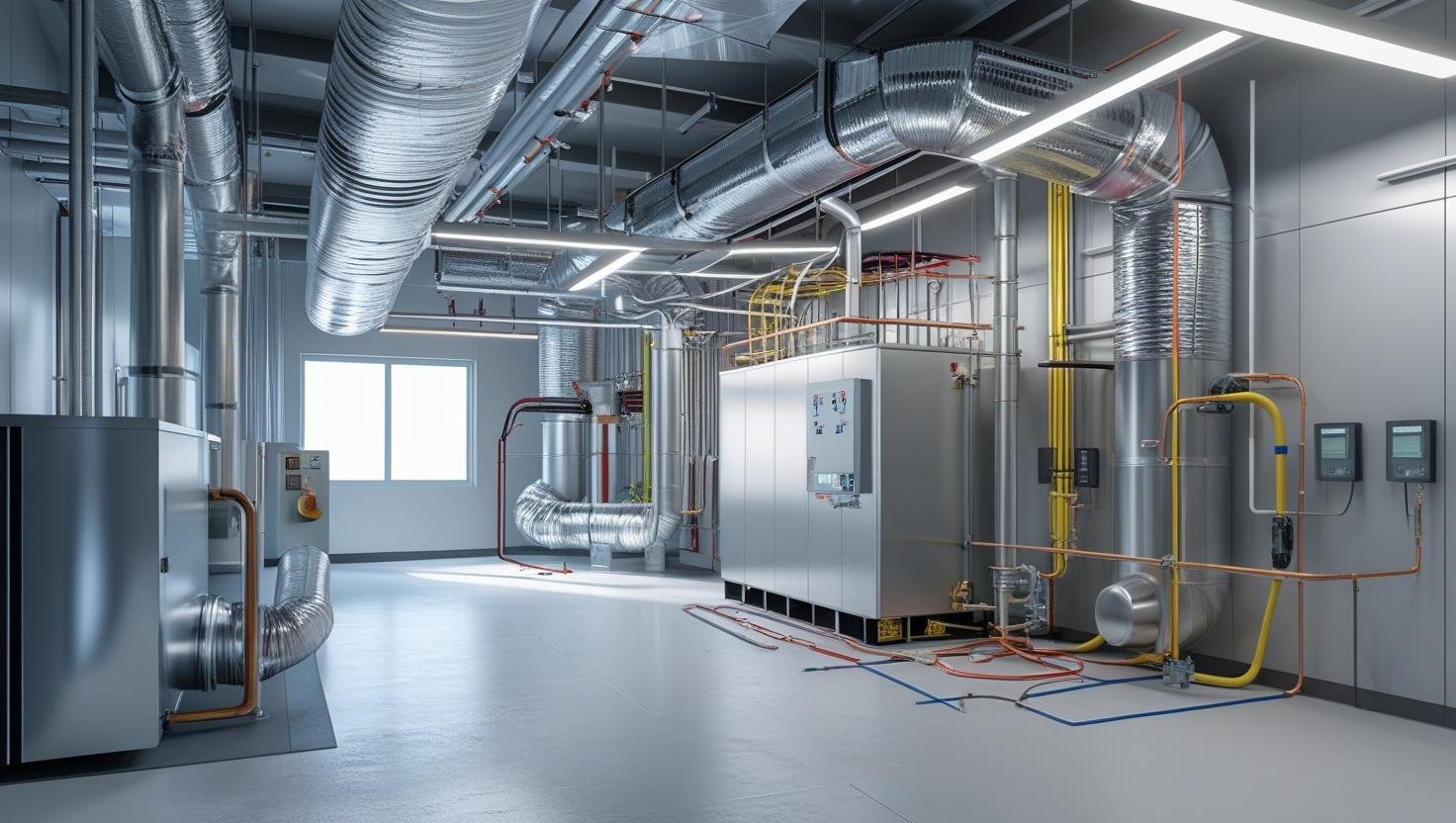

HVAC Installation Mistakes Introduction: Avoiding Costly HVAC Errors
HVAC systems are crucial for maintaining comfort, air quality, and energy efficiency in homes and commercial buildings. However, even the most advanced system can underperform—or fail entirely—if installation mistakes are made.
“Improper installation is responsible for over 70% of HVAC system issues.”
— Energy Star Report, 2024
To save energy, improve longevity, and ensure comfort, it’s vital to avoid the most common HVAC installation pitfalls. Let’s break down the top 5 mistakes and how to steer clear of them.

1. Incorrect Sizing of the HVAC System
🔴 The Problem:
Many installers either oversize or undersize the unit, assuming “bigger is better” or relying on guesswork instead of calculations.
⚠ Why It Matters:
- Oversized units cycle too frequently → More wear and tear
- Undersized units run nonstop → Higher energy bills & poor comfort
- Incorrect sizing leads to humidity issues, inconsistent temperatures, and short system life
✅ Solution:
Use Manual J Load Calculation to determine the exact HVAC load based on:
- Building size
- Insulation levels
- Windows and orientation
- Occupant behavior
“A proper load calculation is the foundation of HVAC efficiency.”
— HVAC Consultant Association
2. Poor Ductwork Design and Installation
🔴 The Problem:
Improper duct sizing, too many bends, or poorly sealed ducts can reduce airflow dramatically.
⚠ Why It Matters:
- Uneven heating/cooling across rooms
- Loss of up to 30% of conditioned air
- Increased utility bills and blower strain
✅ Solution:
- Use Manual D for duct design
- Seal joints with mastic sealant or metal tape, not duct tape
- Insulate ducts running through unconditioned spaces
| Common Duct Problems | Fix |
|---|---|
| Undersized ducting | Recalculate and resize |
| Leaky joints | Seal with mastic |
| Long, winding runs | Redesign for shorter routes |
3. Improper Refrigerant Charge
🔴 The Problem:
Too much or too little refrigerant during installation leads to system inefficiency or damage.
⚠ Why It Matters:
- Poor cooling performance
- Compressor stress and early failure
- Voids manufacturer warranty
✅ Solution:
- Always follow manufacturer specifications
- Use proper tools (manifold gauges, scales, etc.)
- Verify charge by superheat or subcooling method, not guesswork
“Just a few ounces of refrigerant can make the difference between peak performance and costly failure.”
— Certified HVAC Technician Trainer
4. Skipping the Airflow Test
🔴 The Problem:
Installers sometimes ignore measuring static pressure and airflow during setup.
⚠ Why It Matters:
- Even a perfectly sized unit will fail if airflow is blocked
- Can lead to frozen coils, hot/cold spots, or noisy ducts
✅ Solution:
- Perform airflow tests (CFM measurement) at the registers
- Check static pressure using a manometer
- Adjust duct dampers and blower speed as needed
5. Neglecting System Commissioning and Final Checks
🔴 The Problem:
Installers rush the job and skip system calibration, control testing, and homeowner education.
⚠ Why It Matters:
- Thermostats may be unprogrammed or inaccurate
- Homeowners unaware of system operation and maintenance
- Leads to callbacks and unhappy clients
✅ Solution:
- Perform a full system commissioning checklist, including:
- Thermostat test
- Blower calibration
- Filter and drain inspection
- Smart controls setup (if applicable)
- Educate the user on system maintenance
Summary Table: Mistakes vs. Fixes
| Mistake | Consequence | How to Avoid |
|---|---|---|
| Incorrect System Size | High energy bills, discomfort | Manual J Load Calculation |
| Bad Ductwork | Poor airflow, energy loss | Manual D, seal and insulate ducts |
| Wrong Refrigerant Charge | Compressor damage | Measure and verify charge |
| No Airflow Testing | Poor performance | Use CFM and static pressure testing |
| Skipped Commissioning | User confusion, system issues | Full system checklist and training |
FAQs: HVAC Installation Errors
❓ How can I tell if my HVAC system is improperly installed?
Signs include uneven temperatures, high energy bills, poor airflow, and frequent cycling.
❓ Should I get a second opinion after installation?
Yes, especially for large systems or commercial installs. A third-party check can catch costly mistakes.
❓ Is DIY HVAC installation advisable?
Highly discouraged. HVAC systems involve electrical work, refrigerants, and airflow science—best left to certified pros.
❓ How long should a professional HVAC installation take?
A typical home HVAC system install takes 1–2 days. Complex commercial systems may take longer.
❓ How often should installation quality be reviewed?
Get an annual HVAC inspection and request an audit if your utility bills spike or system behaves erratically.
Final Thoughts: The Cost of Cutting Corners
A brand-new HVAC system won’t perform as expected if it’s installed incorrectly. The initial cost savings from skipping testing or rushing ductwork often lead to expensive fixes, lower comfort, and higher bills down the line.
“You can buy the best HVAC system on the market—but if it’s installed poorly, it’s no better than a cheap unit.”
— HVAC Industry Veteran, 20+ Years Experience