
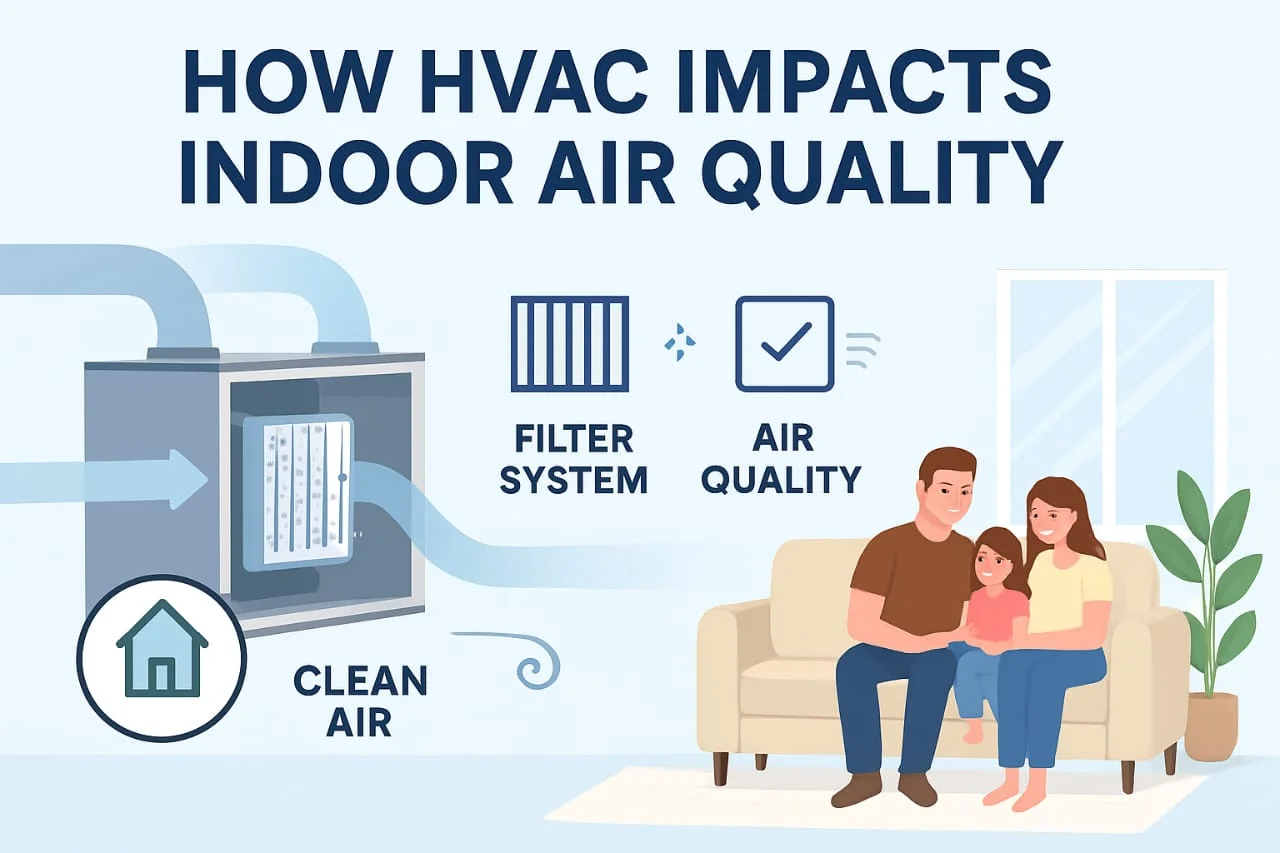

Maintaining good indoor air quality is crucial for our health and comfort. According to the EPA, people spend approximately 90% of their time indoors, where air can be 2-5 times more polluted than outdoor air.

HVAC systems play a vital role in ensuring the air inside our homes and offices is clean and healthy to breathe. By controlling temperature, humidity, and air circulation, these systems can significantly reduce pollutants and allergens.
A well-maintained HVAC system not only improves indoor air quality but also enhances the overall efficiency of the system, potentially lowering energy costs.
Key Takeaways
- Good indoor air quality is essential for health and comfort.
- HVAC systems significantly impact indoor air quality.
- Regular maintenance of HVAC systems is crucial.
- Proper HVAC functioning can reduce energy costs.
- Clean indoor air can improve overall well-being.
The Fundamentals of Indoor Air Quality
The quality of the air inside buildings and homes is a critical factor that affects occupants’ health and well-being. Indoor air quality refers to the air quality within and around buildings and structures, especially as it relates to the health and comfort of building occupants.
Common Indoor Air Pollutants and Their Sources
Indoor air pollutants can come from various sources, including building materials, furniture, household cleaning products, and even outdoor air that infiltrates indoors. Common pollutants include dust, pollen, pet dander, mold, volatile organic compounds (VOCs), and radon. Understanding these sources is crucial for mitigating their impact on indoor air quality.
Why Indoor Air Can Be More Polluted Than Outdoor Air
Indoor air can be more polluted than outdoor air due to the concentration of pollutants in enclosed spaces and the lack of adequate ventilation. Modern buildings, designed to be energy-efficient, often have reduced air exchange rates, which can lead to the accumulation of indoor pollutants.
The EPA’s Indoor Air Quality Guidelines
The Environmental Protection Agency (EPA) provides guidelines for maintaining good indoor air quality, emphasizing the importance of controlling pollutant sources and ensuring proper ventilation. The EPA recommends a multi-faceted approach that includes source control, ventilation, and air cleaning to manage indoor air quality effectively.
By understanding the fundamentals of indoor air quality, including common pollutants and the EPA’s guidelines, individuals can take proactive steps to improve the air they breathe indoors.
How HVAC Impacts Indoor Air Quality
Understanding how HVAC systems affect indoor air quality is essential for creating healthier indoor environments. HVAC systems are complex and play a critical role in managing indoor air quality through various mechanisms.
The Core Functions of HVAC Systems in Air Management
HVAC systems have several core functions that directly impact indoor air quality. These include air filtration, ventilation, and climate control. Air filtration is crucial as it removes pollutants and particles from the air, improving overall air quality.
- Filtering out dust, pollen, and other airborne particles
- Regulating indoor temperature to prevent moisture buildup
- Providing ventilation to exchange stale indoor air with fresh outdoor air
Ventilation and Fresh Air Exchange Processes
Ventilation is a key aspect of HVAC systems that ensures the exchange of indoor and outdoor air. Proper ventilation helps to dilute indoor pollutants and maintain a healthy indoor environment. Fresh air exchange is vital for removing stale air and introducing oxygen-rich air.
“Proper ventilation is essential for maintaining good indoor air quality, as it helps to remove pollutants and moisture from the indoor environment.”
EPA Guidelines
Temperature and Humidity Control Effects on Air Quality
Temperature and humidity control are critical components of HVAC systems that significantly impact indoor air quality. Maintaining optimal temperature and humidity levels can prevent the growth of mold and mildew, reducing the presence of indoor air pollutants.
Optimal Humidity Levels for Health and Comfort
Maintaining optimal humidity levels between 30-60% is crucial for health and comfort. Low humidity can lead to dry skin and respiratory issues, while high humidity can foster mold growth.
Temperature affects the behavior of indoor air pollutants. For instance, higher temperatures can increase the off-gassing of chemicals from household products, while lower temperatures can reduce the circulation of air, potentially leading to stagnation.
- Higher temperatures can increase chemical off-gassing
- Lower temperatures can reduce air circulation
Critical HVAC Components That Influence Air Quality
Understanding the critical components of HVAC systems is essential for maintaining good indoor air quality. These components work together to manage the air in a building, affecting not just the temperature, but also the cleanliness and freshness of the air.
Air Filters: MERV Ratings and Filtration Efficiency
Air filters are a crucial component of HVAC systems, responsible for removing dust, pollen, and other particles from the air. The Minimum Efficiency Reporting Value (MERV) rating system helps in determining the effectiveness of air filters. A higher MERV rating indicates a filter’s ability to capture smaller particles, thus improving indoor air quality. For instance, filters with a MERV rating of 11 or higher are capable of capturing particles as small as 1.0 microns, including many allergens and bacteria.
Ductwork Design and Air Distribution Patterns
The design of ductwork and the patterns of air distribution significantly impact how effectively conditioned air is delivered to various parts of a building. Properly designed ductwork ensures that air is evenly distributed, reducing the likelihood of stagnant areas where air can become stale or contaminated. Factors such as duct size, layout, and insulation play a critical role in maintaining efficient air distribution.
Cooling Coils and Condensation Management
Cooling coils are another vital component, as they are responsible for cooling the air. However, if not properly managed, they can become a source of moisture that fosters mold growth. Effective condensation management is crucial to prevent water accumulation around the coils, thereby reducing the risk of microbial contamination.
Blower Motors and Air Circulation
Blower motors drive the circulation of air throughout the HVAC system. The efficiency and design of these motors can significantly affect the overall performance of the system. Modern, high-efficiency blower motors not only reduce energy consumption but also enhance air circulation, contributing to a more consistent and healthier indoor environment.
In conclusion, the quality of indoor air is influenced by a combination of HVAC components, each playing a unique role. By understanding and optimizing these components, building owners can significantly improve indoor air quality, contributing to a healthier and more comfortable environment for occupants.
Health Implications of HVAC-Related Air Quality
Indoor air quality, shaped by the performance of HVAC systems, is a critical factor in maintaining respiratory health and overall well-being. The air we breathe indoors can be filled with pollutants and allergens that, when circulated through poorly maintained or designed HVAC systems, can lead to various health issues.
Respiratory Conditions Affected by Indoor Air
Poor indoor air quality can exacerbate existing respiratory conditions such as asthma and chronic obstructive pulmonary disease (COPD). Particulate matter, dust, and mold circulated through HVAC systems can irritate the lungs, trigger asthma attacks, and complicate COPD.
Allergies and Asthma Triggers in HVAC Systems
HVAC systems can harbor allergens like dust mites, mold, and pet dander, which are then distributed throughout indoor spaces. Regular maintenance, including filter changes and duct cleaning, is crucial to minimizing these allergens and reducing the risk of allergic reactions and asthma attacks.
Sick Building Syndrome and Its Connection to HVAC
Sick Building Syndrome (SBS) refers to a condition where occupants of a building experience acute health effects that are linked to the time spent in the building. Poorly maintained HVAC systems can contribute to SBS by circulating air pollutants and failing to provide adequate ventilation.
Identifying Symptoms of Poor Indoor Air Quality
Symptoms of poor indoor air quality include headaches, fatigue, dizziness, and irritation of the eyes, nose, and throat. Recognizing these symptoms is the first step in addressing potential HVAC-related air quality issues.
Vulnerable Populations: Children, Elderly, and Immunocompromised
Certain populations, including children, the elderly, and those with compromised immune systems, are more susceptible to the adverse health effects of poor indoor air quality. Ensuring that HVAC systems are properly maintained is particularly important in settings like schools, nursing homes, and healthcare facilities.
As emphasized by experts, “The quality of indoor air is a critical factor in public health, and HVAC systems play a pivotal role in maintaining good air quality.” Maintaining a healthy indoor environment requires a comprehensive approach that includes regular HVAC maintenance, proper ventilation, and the use of high-efficiency air filtration systems.
Common HVAC Problems That Degrade Air Quality
HVAC systems play a crucial role in maintaining indoor air quality, but several common problems can significantly degrade their performance. Understanding these issues is essential for maintaining a healthy indoor environment.
Dirty or Clogged Filters and Their Impact
One of the most common issues with HVAC systems is dirty or clogged filters. When filters become clogged with dust, pollen, and other particles, they can significantly reduce airflow, causing the system to work harder and less efficiently. This not only increases energy consumption but also leads to poor air quality as the system struggles to circulate air effectively.
Leaky or Contaminated Ductwork Issues
Leaky or contaminated ductwork is another significant problem that can degrade indoor air quality. When ducts are damaged or not properly sealed, they can leak pollutants into the air stream, distributing contaminated air throughout the building. Regular inspection and sealing of ducts are crucial to prevent this issue.
Inadequate Ventilation and Stagnant Air
Inadequate ventilation can lead to stagnant air, which can become a breeding ground for pollutants and moisture. Proper ventilation is essential to remove stale air and introduce fresh air into the building, thus maintaining good indoor air quality.
Microbial Growth in Damp HVAC Components
Microbial growth in damp HVAC components is a serious issue that can significantly impact indoor air quality. When parts of the HVAC system remain damp, they can foster the growth of mold and mildew.
Mold and Mildew Detection and Prevention
Detecting and preventing mold and mildew involves regular maintenance of the HVAC system, including checking for moisture accumulation and ensuring that all components are dry and clean. Using antimicrobial coatings and ensuring proper drainage can also help prevent microbial growth.
By addressing these common HVAC problems, building owners can significantly improve indoor air quality, creating a healthier environment for occupants. Regular HVAC maintenance is key to preventing these issues and ensuring that the system operates efficiently.
Essential HVAC Maintenance for Healthier Air
To ensure healthier air, it’s crucial to perform essential HVAC maintenance tasks. Regular maintenance not only prolongs the life of your heating, ventilation, and air conditioning system but also significantly improves indoor air quality. Neglecting maintenance can lead to a buildup of pollutants and allergens, exacerbating respiratory issues and other health problems.
Creating an Effective Filter Replacement Schedule
One of the simplest yet most effective ways to maintain good air quality is by replacing air filters regularly. Air filters are the first line of defense against dust, pollen, and other airborne particles. It’s recommended to check filters monthly and replace them every 1-3 months, depending on usage and the type of filter. A dirty or clogged filter can reduce system efficiency and increase energy bills.

Professional Duct Cleaning and Inspection
Ductwork is another critical component that requires regular maintenance. Over time, ducts can accumulate dust, debris, and even mold, which can then be circulated throughout your home. Professional duct cleaning can help remove these contaminants, improving air quality and system efficiency. It’s advisable to have your ducts inspected and cleaned every 2-5 years, or as needed.
Coil Cleaning and Condensate Drain Maintenance
Coils, both evaporator and condenser, play a crucial role in the cooling process. Dirty coils can increase energy consumption and reduce system performance. Regular coil cleaning ensures efficient heat transfer and can prevent costly repairs. Additionally, maintaining the condensate drain line is vital to prevent water damage and microbial growth.
Seasonal System Tune-ups and Their Benefits
Seasonal tune-ups are essential for maintaining optimal HVAC performance. These tune-ups typically include tasks like inspecting electrical connections, checking refrigerant levels, and lubricating moving parts. Regular tune-ups can help identify potential issues before they become major problems, ensuring your system runs efficiently and effectively throughout the year.
DIY Maintenance vs. Professional Service
While some maintenance tasks can be performed by homeowners, such as changing filters, other tasks require professional expertise. Professional HVAC technicians have the training and equipment to perform complex maintenance tasks safely and effectively. It’s often more cost-effective in the long run to hire professionals for tasks like duct cleaning and coil maintenance, as they can prevent costly repairs and ensure optimal system performance.
Advanced HVAC Technologies for Superior Air Quality
Superior indoor air quality is now achievable thanks to innovative HVAC solutions. These advanced technologies are designed to enhance the performance of HVAC systems, providing cleaner, healthier air for occupants.
HEPA and Ultra-High Efficiency Filtration Systems
One of the most effective ways to improve indoor air quality is through the use of High Efficiency Particulate Air (HEPA) filters and ultra-high efficiency filtration systems. These filters are capable of capturing 99.97% of particles as small as 0.3 microns, including dust, pollen, and other airborne contaminants.
HEPA filtration is particularly beneficial for individuals suffering from allergies and respiratory conditions, as it significantly reduces the presence of airborne irritants.
UV Germicidal Lights and Photocatalytic Oxidation
UV germicidal lights are another advanced technology used to enhance indoor air quality. These lights utilize ultraviolet radiation to kill bacteria, viruses, and other microorganisms that can circulate through HVAC systems.
Photocatalytic oxidation (PCO) is a complementary technology that works by using UV light to activate a catalyst, typically titanium dioxide, which then breaks down organic pollutants into harmless compounds.
Electronic Air Cleaners and Ionization Technology
Electronic air cleaners use electrostatic charges to attract and trap airborne particles, improving the overall efficiency of air filtration. Ionization technology works similarly by releasing negative ions that bind to positively charged particles, causing them to settle or be captured by the HVAC system’s filter.
Energy Recovery Ventilators and Heat Recovery Systems
Energy recovery ventilators (ERVs) and heat recovery systems are designed to improve ventilation while minimizing energy loss. ERVs transfer both heat and moisture between the incoming and outgoing air streams, maintaining a comfortable indoor climate while reducing the load on the HVAC system.
Smart HVAC Systems and Air Quality Monitoring
Smart HVAC systems integrate advanced sensors and monitoring technology to provide real-time data on indoor air quality. These systems can automatically adjust HVAC settings to optimize air quality, temperature, and humidity levels.
Air quality monitoring is a crucial feature of smart HVAC systems, allowing for the detection of pollutants and triggering appropriate responses to maintain a healthy indoor environment.
Seasonal Strategies for Optimizing HVAC and Air Quality
To maintain a healthy indoor environment, it’s essential to adapt your HVAC system to the changing seasons. Different seasons present unique challenges for heating, ventilation, and air conditioning systems, impacting indoor air quality in various ways.
Summer: Balancing Cooling Efficiency and Humidity Control
In the summer, HVAC systems work hard to cool homes and buildings. However, humidity control becomes a significant challenge. High humidity can lead to mold growth and discomfort. To balance cooling efficiency and humidity control, consider using a dehumidifier or adjusting your HVAC settings to maintain a relative humidity between 30-50%. Regular maintenance, such as cleaning condenser coils, can also improve efficiency.
Winter: Addressing Dry Air and Ventilation Challenges
During winter, the air tends to be drier, which can cause discomfort and health issues. Ensuring proper ventilation is crucial to introduce fresh air and maintain a healthy indoor environment. Consider using a humidifier to add moisture to the air, and ensure that your HVAC system is equipped with an adequate ventilation system to exchange stale air for fresh air.
Spring and Fall: Managing Outdoor Allergens
In spring and fall, outdoor allergens like pollen can infiltrate homes and buildings. To manage these allergens, it’s essential to maintain a clean HVAC system, including regular filter changes and duct cleaning. Consider upgrading to a HEPA filter to capture smaller particles and reduce allergen circulation.
Adjusting HVAC Settings for Changing Weather Patterns
As weather patterns change with the seasons, adjusting your HVAC settings can significantly impact indoor air quality. For instance, increasing ventilation during milder weather can help reduce indoor pollutants. Smart HVAC systems can automatically adjust settings based on outdoor conditions, providing an efficient way to maintain optimal indoor air quality.

Conclusion: Creating a Healthier Indoor Environment
Maintaining good indoor air quality is crucial for a healthy living space. HVAC systems play a vital role in achieving this by controlling temperature, humidity, and air circulation. By understanding how HVAC systems impact indoor air quality, individuals can take steps to create a healthier indoor environment.
Proper maintenance of HVAC systems is essential to ensure they function effectively. Regular filter replacement, duct cleaning, and coil maintenance can significantly improve indoor air quality. Additionally, advanced technologies such as HEPA filtration and UV germicidal lights can further enhance air quality.
By implementing these strategies and being mindful of seasonal changes, individuals can optimize their HVAC systems to maintain a healthy indoor environment. This not only improves the air quality but also contributes to a more comfortable and sustainable living space. Effective HVAC system management is key to achieving better indoor air quality.
FAQ
How often should I replace my HVAC air filters?
The frequency of replacing HVAC air filters depends on various factors, including the type of filter, indoor air quality, and usage. Typically, filters should be replaced every 1-3 months, but it’s recommended to check the manufacturer’s guidelines for specific recommendations.
What is the ideal humidity level for indoor air quality?
The ideal humidity level for indoor air quality is between 30-50%. Maintaining this range can help prevent mold growth, reduce dust mites, and alleviate allergy symptoms.
Can a dirty HVAC system cause health problems?
Yes, a dirty HVAC system can cause health problems, including respiratory issues, allergies, and asthma. Dirty filters, contaminated ductwork, and microbial growth can all contribute to poor indoor air quality.
What is the difference between HEPA and regular air filters?
HEPA (High Efficiency Particulate Air) filters capture 99.97% of particles as small as 0.3 microns, including dust, pollen, and other allergens. Regular air filters, on the other hand, may not capture particles as effectively, potentially leaving indoor air polluted.
How can I improve indoor air quality during allergy season?
To improve indoor air quality during allergy season, consider using HEPA filters, maintaining a clean HVAC system, and keeping windows closed to prevent outdoor allergens from entering. Regularly cleaning and dusting can also help reduce allergen exposure.
What are the benefits of using a smart HVAC system?
Smart HVAC systems can provide several benefits, including improved indoor air quality, increased energy efficiency, and enhanced comfort. These systems can monitor and adjust temperature, humidity, and air quality in real-time, ensuring a healthier and more comfortable indoor environment.
Can UV germicidal lights improve indoor air quality?
Yes, UV germicidal lights can improve indoor air quality by reducing microbial growth and killing bacteria, viruses, and other microorganisms. These lights can be installed in HVAC systems to provide an additional layer of air purification.
How often should I have my HVAC ducts cleaned?
The frequency of HVAC duct cleaning depends on various factors, including usage, indoor air quality, and the presence of contaminants. Typically, ducts should be cleaned every 2-5 years, but it’s recommended to consult a professional to determine the best schedule for your specific situation.