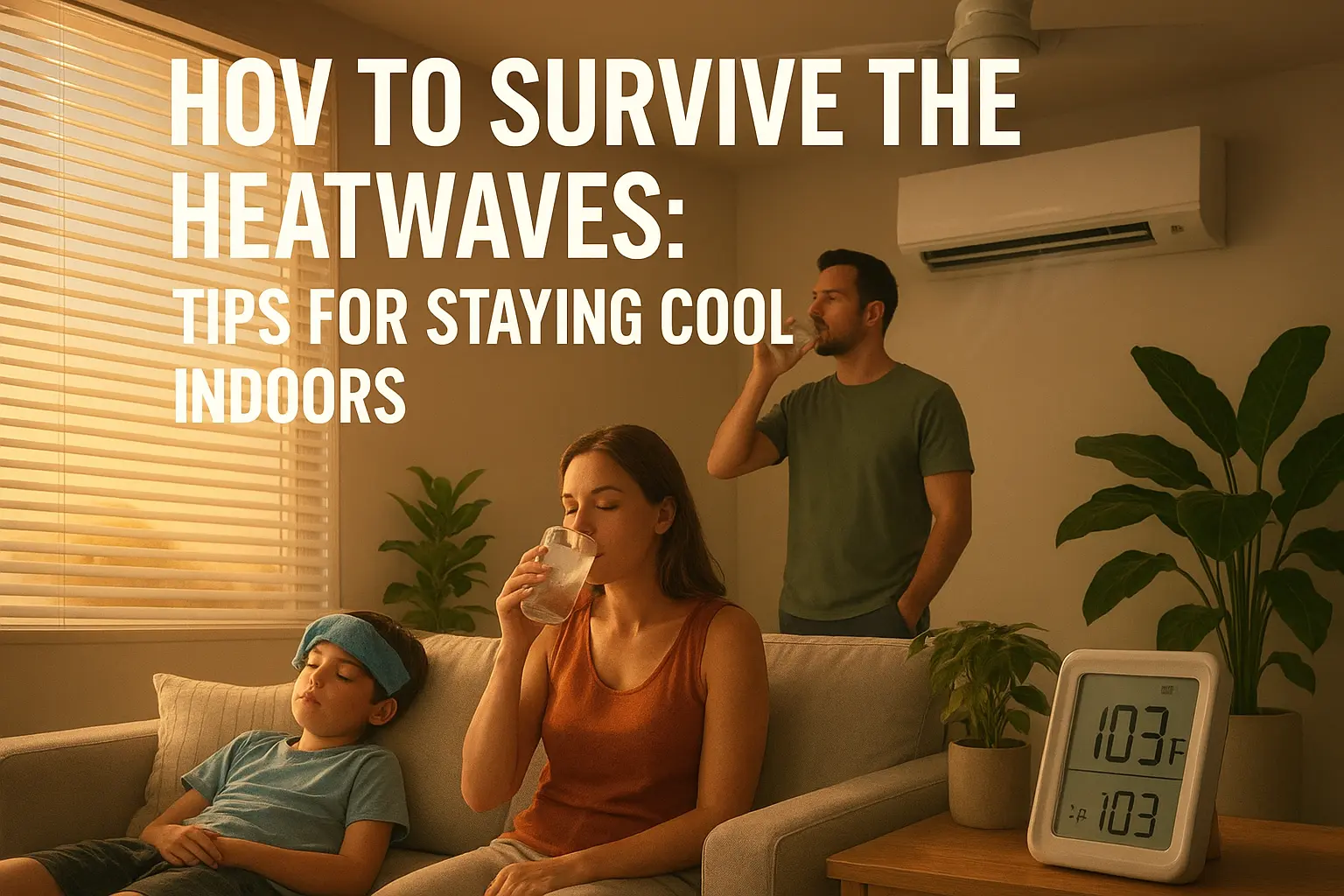

Beating the Heat: As temperatures soar during a heatwave, staying cool indoors becomes a top priority. Extreme heat can lead to serious health issues, especially for vulnerable populations such as the elderly and young children. It’s crucial to take proactive measures to maintain a safe and comfortable indoor environment.
Staying cool is not just about comfort; it’s a matter of health and safety. By understanding the risks associated with heatwaves and implementing effective cooling strategies, you can protect yourself and your loved ones.

Heatwaves can be particularly challenging, but with the right heatwave safety tips, you can navigate these periods with ease. This article will guide you through practical ways to survive heatwaves indoors, ensuring you stay cool and safe.
Understanding the Dangers of Extreme Heat
As temperatures soar during a heatwave, understanding the risks associated with extreme heat becomes crucial for our health and well-being. Extreme heat is not just a matter of discomfort; it can lead to serious health issues, some of which can be life-threatening.
How Heatwaves Affect Your Body
When your body is exposed to high temperatures, it works harder to maintain its normal temperature, which can lead to heat-related illnesses. The body’s initial response to heat stress is to sweat and increase blood flow to the skin’s surface. However, in extreme conditions, this can lead to dehydration and a drop in blood pressure, reducing the supply of oxygen to the brain and other vital organs.
Heat exhaustion is a condition that can develop after spending time in the heat and not getting enough fluids. Symptoms include heavy sweating, weakness, cold, pale and clammy skin, a fast and weak pulse, nausea or vomiting, and fainting. If left untreated, it can progress to heat stroke, a more severe condition where the body’s temperature regulation fails, causing the body temperature to rise rapidly and potentially leading to brain damage or death.
Dehydration and Its Effects
Dehydration occurs when the body loses more fluids than it takes in, which can happen quickly in hot weather due to sweating. Dehydration can lead to a range of symptoms, from mild (dry mouth, fatigue) to severe (rapid heartbeat, low blood pressure). Severe dehydration can be life-threatening and requires immediate medical attention.
Who’s Most Vulnerable During Heatwaves
Certain populations are more susceptible to the adverse effects of heatwaves. These include the elderly, young children, people with chronic illnesses, and those who are socially isolated or have limited mobility. Understanding who is most at risk can help in taking preventive measures to protect these vulnerable groups.
Risk Factors to Be Aware Of
Several risk factors can increase an individual’s likelihood of experiencing heat-related illnesses. These include age, pre-existing medical conditions, certain medications, and lack of access to cooling. Being aware of these risk factors can help in mitigating the dangers associated with extreme heat.
Early Warning Signs of Heat Stress
Recognizing the early warning signs of heat stress is crucial for preventing more severe heat-related illnesses. These signs include excessive sweating, headache, dizziness, nausea, and a rapid pulse. Taking action at the onset of these symptoms can prevent the condition from worsening.
Preparing Your Home Before a Heatwave Strikes
As the summer months approach, preparing your home for the impending heatwave is crucial for maintaining a cool and safe indoor environment. A well-prepared home not only keeps you comfortable but also reduces the risk of heat-related health issues.
Insulation and Weather-Stripping Techniques
Proper insulation and weather-stripping are key to keeping your home cool during a heatwave. Insulation helps to reduce heat gain by minimizing the transfer of heat from the outside to the inside of your home.
Identifying Heat Entry Points
Start by identifying areas where heat can enter your home, such as gaps around doors and windows, and poorly insulated attics or walls. Sealing these gaps is essential to prevent hot air from entering.
Quick DIY Sealing Projects
Simple DIY projects, like using weather-stripping around doors and windows or applying caulk to seal gaps, can significantly reduce heat entry. These projects are easy to undertake and can make a big difference.
Window Treatments to Block Heat
Window treatments play a crucial role in blocking direct sunlight and reducing heat gain. Effective window treatments can keep your home cooler and reduce the need for air conditioning.
Best Blinds and Curtains for Heat Reduction
Thermal curtains and blinds are excellent options for reducing heat gain. Look for materials with high thermal resistance to keep your home cool.
Exterior Solutions: Awnings and Reflective Films
Exterior solutions like awnings and reflective window films can also be highly effective. Awnings provide shade, while reflective films reflect sunlight away from your windows.
| Window Treatment | Effectiveness | Cost |
|---|---|---|
| Thermal Curtains | High | Moderate |
| Awnings | Very High | High |
| Reflective Films | High | Low |
Creating a Heatwave Emergency Kit
A heatwave emergency kit is essential for ensuring you have the necessary supplies during a heatwave. Include items like water, non-perishable snacks, first aid supplies, and a battery-powered fan.
How to Survive the Heatwaves: Tips for Staying Cool Indoors
Surviving heatwaves indoors requires more than just staying away from the sun; it demands a strategic approach to keeping your home cool. As the temperature outside soars, maintaining a comfortable indoor environment is crucial for your health and well-being.
Creating Cross-Ventilation in Your Home
One of the most effective ways to keep your home cool is by creating cross-ventilation. This involves allowing cool air to enter your home while letting hot air escape, thus reducing the need for air conditioning.
Morning and Evening Ventilation Strategies
To maximize cross-ventilation, open your windows during the cooler parts of the day, such as early morning and evening. This allows cool air to circulate through your home.
Using Windows and Doors Effectively
Strategically open windows and doors on opposite sides of your home to create a cooling breeze. Use window screens to keep insects out while letting in the cool air.
Strategic Fan Placement for Maximum Cooling
Fans can significantly enhance the cooling effect in your home. By placing them strategically, you can improve air circulation and make your home feel cooler.
Box Fan Techniques
Place a box fan in a window to pull hot air out of your home or to push cool air in. This simple technique can make a significant difference in your home’s temperature.
Ensure your ceiling fan is set to rotate counterclockwise during the summer to push cool air down to the floor. Adjust the fan’s speed according to the temperature to maximize its effectiveness.
DIY Cooling Solutions Anyone Can Make
In addition to cross-ventilation and fan placement, there are several DIY cooling solutions you can implement to keep your home cool.
Homemade Air Coolers
Create a simple air cooler by placing a bowl of cold water in front of a fan. As the fan blows air through the water, it cools the air down, providing a cooling effect.
Ice and Frozen Bottle Tricks
Place ice packs or frozen bottles in front of a fan to cool the air it blows. You can also use them in a bowl of water for a more efficient cooling effect.
Optimizing Your Air Conditioning System
As temperatures soar, a well-optimized air conditioning system is crucial for comfort and energy efficiency. A well-maintained AC not only cools your home effectively but also saves you money on energy bills.
Maintenance Tips for Peak AC Performance
Regular maintenance is the backbone of an efficient air conditioning system. Ensuring your AC is in top condition involves several key steps.
Filter Cleaning and Replacement Schedule
Cleaning or replacing filters every 1-3 months can significantly improve airflow and efficiency. Dirty filters can lead to increased energy consumption and strain on the system.
Professional vs. DIY Maintenance
While some maintenance tasks can be handled DIY, such as filter cleaning, more complex tasks like coil cleaning and refrigerant checks are best left to professionals. They have the tools and expertise to ensure your AC is serviced correctly.
Energy-Efficient Settings to Save Money
Adjusting your AC settings can lead to substantial savings on your energy bills. Understanding how to use your thermostat effectively is key.
Ideal Temperature Settings
Setting your thermostat to 78°F (25.5°C) when you’re home and higher when you’re away can optimize energy use. Every degree counts, so adjust accordingly.
Programmable Thermostat Strategies
Using a programmable thermostat allows you to automate temperature adjustments, ensuring you’re not wasting energy when you’re not home. Smart thermostats can even learn your schedule and preferences.
Alternatives When AC Isn’t Available
For those without access to a traditional AC, there are alternative cooling solutions available.
Portable AC Units
Portable AC units are a flexible solution, providing cooling without the need for installation. They’re ideal for cooling specific rooms or areas.
Evaporative Coolers for Dry Climates
Evaporative coolers, or swamp coolers, are another option, particularly effective in dry climates. They work by drawing in hot air and cooling it through evaporation.

Cooling Technology and Gadgets
The right cooling gadgets and smart home solutions can transform your home into a cool oasis, even during the most intense heatwaves. As heatwaves become more frequent and severe, staying cool is not just about comfort; it’s also about health and safety.
Personal Cooling Devices
Personal cooling devices are designed to keep you cool without having to lower the temperature of your entire home. These devices are not only energy-efficient but also provide targeted cooling where it’s needed most.
Cooling Towels and Wearables
Cooling towels and wearables are innovative products that help keep your body cool. These products often use advanced materials that stay cool even when wet, providing relief during hot spells.
- Cooling towels that can be worn or wrapped around the neck
- Cooling scarves that provide a cooling effect
- Wearable cooling devices that can be clipped onto clothing
Battery-Operated Fans and Misters
Battery-operated fans and misters are portable and convenient options for personal cooling. They are especially useful during power outages or when you’re on the go.
- Portable fans that can be placed anywhere
- Misting fans that provide a cooling mist
- Rechargeable devices for continuous use
Smart Home Solutions for Heat Management
Smart home solutions offer a more integrated approach to managing heat. These systems can help optimize your home’s temperature and energy usage.
Temperature Sensors and Automated Systems
Temperature sensors can detect changes in temperature and trigger automated systems to adjust your home’s cooling. This can include smart thermostats that learn your schedule and preferences.
| Feature | Benefit |
|---|---|
| Temperature sensing | Automated temperature adjustment |
| Smart thermostat | Energy efficiency and personalized comfort |
| Remote access | Control your home’s temperature from anywhere |
Energy Monitoring to Prevent Overload
Energy monitoring systems help you keep track of your energy usage, preventing overload and potential blackouts during heatwaves.
- Real-time energy usage monitoring
- Alerts for high energy consumption
- Insights into energy efficiency improvements
Staying Hydrated and Nourished During Hot Weather
Surviving the heat requires more than just staying cool; it involves staying hydrated and nourished. As we navigate through heatwaves, our bodies lose more water and electrolytes, making it crucial to adopt effective hydration strategies and consume heat-friendly meals.
Hydration Strategies Beyond Plain Water
While drinking plain water is essential, there are other hydration strategies that can help maintain optimal body function during hot weather. These include electrolyte replacement and incorporating hydrating foods into your diet.
Electrolyte Replacement Options
Electrolytes are vital for maintaining proper hydration and nerve function. During heatwaves, electrolyte-rich beverages or supplements can help replenish what’s lost in sweat. Options include sports drinks, coconut water, and electrolyte tablets.
Hydrating Foods to Include in Your Diet
In addition to drinking fluids, consuming hydrating foods can contribute to your overall hydration. Foods with high water content, such as watermelon, cucumbers, and celery, are excellent choices. These foods not only provide hydration but also essential vitamins and minerals.
| Food | Water Content (%) | Nutritional Benefits |
|---|---|---|
| Watermelon | 92 | Rich in Vitamin C and lycopene |
| Cucumber | 96 | High in Vitamin K and potassium |
| Celery | 95 | Good source of Vitamin K and folate |
Heat-Friendly Meals That Won’t Warm Your Home
Preparing meals during a heatwave can be challenging without heating up your home. Here are some strategies for no-cook meals and alternative cooking methods.
No-Cook Meal Ideas
No-cook meals are perfect for hot days. Consider salads with protein sources like tuna or chicken, fruit salads, and cold soups like gazpacho. These meals are not only refreshing but also easy to prepare.
Alternative Cooking Methods
When cooking is necessary, using appliances that don’t heat up the kitchen can be a lifesaver. Slow cookers, microwaves, and grills are great alternatives. They allow you to prepare a variety of meals without turning on your oven.

By incorporating these hydration strategies and meal ideas, you can stay nourished and comfortable during heatwaves. Remember, staying hydrated is not just about drinking water; it’s also about consuming the right foods and maintaining electrolyte balance.
Protecting Vulnerable Household Members
During a heatwave, ensuring the safety and comfort of your family, especially the vulnerable, is paramount. Heatwaves can exacerbate existing health conditions and create new challenges, particularly for children, infants, the elderly, and pets.
Special Considerations for Children and Infants
Children and infants are more susceptible to heat-related illnesses due to their developing bodies and potential inability to communicate their discomfort. It’s crucial to monitor their condition closely.
Safe Cooling Methods for Babies
For babies, maintaining a cool environment is vital. Ensure their room is well-ventilated or air-conditioned. Dress them in light, loose clothing, and consider a cool bath to lower their body temperature.
Keeping Kids Entertained Indoors
Keeping children entertained indoors can be achieved through various activities, such as indoor games, reading, or educational programs on television or tablets. This helps reduce the risk of heat exposure.
Keeping Elderly Family Members Safe
The elderly are at higher risk during heatwaves due to potential pre-existing medical conditions and medications that may affect their body’s ability to regulate temperature.
Medication Considerations During Heat
Certain medications can increase the risk of heat-related illnesses. Consult with a healthcare provider to understand the risks associated with your elderly family members’ medications and how to mitigate them.
Check-in Routines and Warning Signs
Establish regular check-ins with elderly family members to monitor their condition. Be aware of warning signs such as dizziness, nausea, headaches, and dry mouth, which can indicate heat exhaustion or heatstroke.
Caring for Pets During Extreme Heat
Pets also suffer during heatwaves. Ensure they have access to plenty of cool water and a shaded area. Never leave pets in a parked vehicle, as temperatures can quickly become lethal.
Species-Specific Cooling Needs
Different pets have different cooling needs. For example, dogs may need more frequent walks during cooler parts of the day, while cats may require more shaded areas.
Hydration and Exercise Adjustments
Adjust your pet’s exercise routine to avoid the hottest parts of the day. Ensure they always have access to fresh water to stay hydrated.
| Vulnerable Group | Special Considerations | Cooling Methods |
|---|---|---|
| Children and Infants | Monitor closely, light clothing | Cool baths, well-ventilated rooms |
| Elderly | Medication risks, hydration | Air-conditioned spaces, cool showers |
| Pets | Shade, hydration, exercise adjustments | Cool water, shaded areas, adjusted walks |
This quote resonates deeply during heatwaves, emphasizing the importance of health and proactive measures to protect it.
When to Seek Help: Recognizing Heat Emergencies
Understanding when to seek help during a heatwave can be lifesaving. Heat emergencies can arise suddenly, and being aware of the warning signs is crucial for taking prompt action.
Warning Signs That Require Immediate Action
Heat-related illnesses can manifest in various forms, ranging from mild heat exhaustion to the more severe heatstroke. Recognizing the symptoms early can help prevent serious complications.
Symptoms of Severe Heat Illness
Severe heat illness, or heatstroke, is characterized by high body temperature, confusion, and dry, flushed skin. If you or someone else is experiencing these symptoms, it’s essential to act quickly.
First Aid for Heat-Related Emergencies
If someone is experiencing heatstroke, move them to a cooler place immediately and cool them down with cool water or ice packs. Call 911 or your local emergency number right away.
Community Resources During Heatwaves
Many communities offer resources to help individuals stay cool during heatwaves. Knowing where to find these resources can be a significant relief.
Cooling Centers and Public Facilities
Cooling centers are public facilities that provide a cool environment for those without air conditioning at home. They can be found in community centers, public libraries, and malls. Check your local listings for locations and hours.
Emergency Services and When to Call 911
In cases of severe heat-related emergencies, calling 911 or your local emergency number is crucial. Be prepared to provide your location and the nature of the emergency.
| Resource | Description | Contact Information |
|---|---|---|
| Cooling Centers | Public facilities providing a cool environment | Check local listings |
| Emergency Services | Immediate assistance for heat-related emergencies | 911 |
Conclusion
Surviving heatwaves indoors requires a combination of preparation, smart cooling strategies, and attention to the well-being of all household members. By understanding the dangers of extreme heat and taking proactive steps, you can stay safe and cool even during the most severe heatwaves.
Key heatwave survival tips include optimizing your home’s cooling potential, staying hydrated, and protecting vulnerable household members. Simple actions like creating cross-ventilation, using fans effectively, and maintaining your air conditioning system can make a significant difference in keeping your home cool.
Additionally, being aware of heat safety and recognizing the warning signs of heat-related illnesses is crucial. By following the strategies outlined in this article and staying informed, you can navigate heatwaves with confidence and keep your loved ones safe.
FAQ
What are the most effective ways to stay cool indoors during a heatwave?
Creating cross-ventilation, using fans strategically, and employing DIY cooling solutions like homemade air coolers or ice and frozen bottle tricks can help keep your home cool.
How can I prepare my home for a heatwave?
You can prepare your home by using insulation and weather-stripping techniques, installing effective window treatments like blinds or awnings, and creating a heatwave emergency kit.
What are the risks associated with extreme heat, and who is most vulnerable?
Extreme heat can cause heat exhaustion, heat stroke, and dehydration. The elderly, children, infants, and people with certain medical conditions are most vulnerable to heat-related illnesses.
How can I optimize my air conditioning system for better performance and energy efficiency?
Regular maintenance, such as cleaning or replacing filters, and using energy-efficient settings like ideal temperature settings and programmable thermostat strategies can help.
What are some alternatives to air conditioning for staying cool?
Portable AC units, evaporative coolers for dry climates, personal cooling devices like cooling towels and wearables, and smart home solutions like temperature sensors can be effective alternatives.
How can I stay hydrated and nourished during hot weather?
Drinking electrolyte-rich beverages, consuming hydrating foods, and eating no-cook meals or using alternative cooking methods like slow cookers or microwaves can help.
What are the warning signs of heat-related emergencies, and what should I do?
Symptoms include dizziness, nausea, headaches, and high body temperature. If you or someone else is experiencing these symptoms, seek shade, cool down, and hydrate. In severe cases, call emergency services.
How can I protect vulnerable household members, such as children, elderly, and pets, during a heatwave?
Keep them cool with safe cooling methods, monitor their health, provide hydration, and adjust their activities to avoid heat stress. For pets, provide cool spaces, hydration, and adjust their exercise routines.